You can spend a cycling holiday chasing mountain passes. You can also spend it following a river, stopping for cake and arriving at a hotel with enough energy left to enjoy dinner. Both count. There is no requirement to return home feeling as though the holiday has personally attacked you.
The best cycle tour provider is the one whose itinerary matches your idea of a good day. This guide compares six providers available to UK travellers, then explains how to choose between them. Start with the experience: where you want to go, how much you want to ride, who you want beside you and how much organising you want someone else to handle.
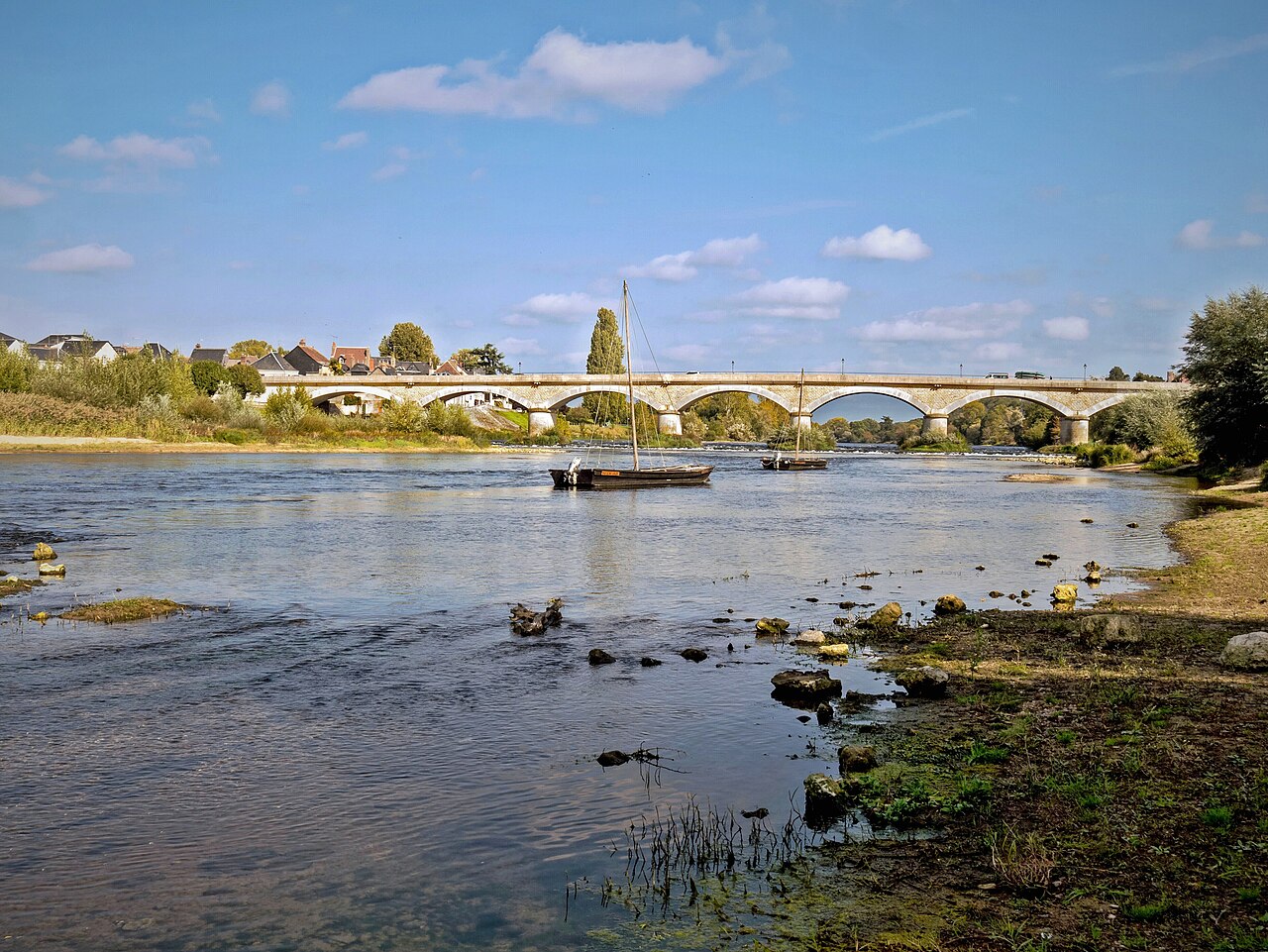
Start with the holiday you want to remember
Imagine a Tuesday halfway through the trip. Would you like a leisurely breakfast followed by a short ride and a long lunch? A full day of exploring with several stops? Or a demanding climb and the satisfaction of a big distance? That answer is more useful than picking whichever company has the most dramatic photograph.
For a relaxed first trip, look for manageable stages, modest climbing, surfaces you already enjoy and accommodation you will be pleased to reach. A shorter route gives you room for sightseeing, weather delays and simply sitting somewhere lovely. An extra night in one town can be more valuable than another day of moving hotels.
If you travel with someone less confident, plan around the day they will enjoy. An e-bike may help with effort differences, but it will not fix discomfort with traffic, rough tracks or steep descents. Be honest about those preferences when speaking to the operator.
Six providers worth comparing
This is a shortlist by holiday style, rather than a claim that one company is universally best. We checked the operators’ published offerings on 12 October 2026. We have not inspected every hotel or taken every itinerary, so we do not assign service-quality stars. Follow the direct links for the current tour details, availability and quotes.
| Provider | Start here if you want | Important check |
|---|---|---|
| Inntravel | Slow travel and time to explore | Look for a lower-grade itinerary and enough time between hotel moves. Read each day’s distance and hills rather than assuming that “slow” means flat. Hotel-to-hotel travel still gives you a destination to reach. |
| Headwater | Self-guided holidays with an e-bike option | An e-bike can make a mixed-ability holiday more enjoyable, but it does not remove the need to steer confidently, brake well or manage the route. Choose the terrain first, then confirm the bike option on that departure. |
| Freewheel Holidays | European self-guided route choices | Compare the actual itinerary rather than simply choosing a river name. Two holidays in the same region can have different stage lengths, accommodation and start or finish transfers. Self-guided means you follow the supplied directions yourself. |
| Saddle Skedaddle | A choice of guided company or self-guided riding | Select the leisure category before browsing more demanding road, mountain-bike or adventure trips. A provider can sell both a gentle holiday and a substantial challenge; its name alone tells you little about the difficulty. |
| Macs Adventure | Independent riding with the planning arranged | Think about how comfortable you are using navigation on unfamiliar roads. Supplied GPS navigation [directions using satellite positioning] is helpful, but you still need to recognise turns, manage a phone battery and make sensible decisions when the route is interrupted. |
| Exodus Adventure Travels | Guided adventures with a wider choice of destinations | Read the activity grade carefully. A support vehicle can be valuable, but it does not make a challenging itinerary automatically suitable for a beginner. Confirm whether it accompanies your departure and when a lift is possible. |
1. Inntravel
Shortlist for: Slow travel and time to explore
Inntravel’s cycling holidays are a promising starting point if the destination matters as much as the riding. Its self-guided, hotel-to-hotel approach includes route notes and luggage transfers, and its slow-travel programme includes options for occasional cyclists. That suits a couple who want to stop at a village market without watching a group disappear up the road.
Look for a lower-grade itinerary and enough time between hotel moves. Read each day’s distance and hills rather than assuming that “slow” means flat. Hotel-to-hotel travel still gives you a destination to reach.
Before booking: Ask about the named hotels, bike hire, extra nights and whether travel from the UK is included in your quote.
2. Headwater
Shortlist for: Self-guided holidays with an e-bike option
Headwater offers self-guided cycling holidays, including a dedicated e-bike range. On its hotel-to-hotel trips with luggage transfers, your main bag travels ahead while you carry what you need for the day. This is worth considering for riders who want an organised route and comfortable evenings while keeping their own pace.
An e-bike can make a mixed-ability holiday more enjoyable, but it does not remove the need to steer confidently, brake well or manage the route. Choose the terrain first, then confirm the bike option on that departure.
Before booking: Check whether a standard bike is included, the e-bike supplement, available frame sizes, charging arrangements and exactly which transfers are covered.
3. Freewheel Holidays
Shortlist for: European self-guided route choices
Freewheel specialises in self-guided cycling holidays across Europe, with hotel-based and bike-and-boat options in its range. Its published offer includes route information, luggage arrangements and bike-hire choices, including e-bikes. It is a useful shortlist for someone who likes the idea of a European cycling holiday but wants the route and overnight logistics arranged.
Compare the actual itinerary rather than simply choosing a river name. Two holidays in the same region can have different stage lengths, accommodation and start or finish transfers. Self-guided means you follow the supplied directions yourself.
Before booking: Ask which transfers apply to your chosen tour, what bike hire costs and how local assistance works if you cannot finish a stage.
4. Saddle Skedaddle
Shortlist for: A choice of guided company or self-guided riding
Skedaddle’s leisure range offers guided and self-guided holidays, making it a useful place to compare the two styles. If you would enjoy shared meals and someone else leading the way, look at the guided leisure trips. If you prefer to ride as a couple or with your own friends, investigate the self-guided options.
Select the leisure category before browsing more demanding road, mountain-bike or adventure trips. A provider can sell both a gentle holiday and a substantial challenge; its name alone tells you little about the difficulty.
Before booking: Read the trip notes for bike hire, meals, baggage arrangements and vehicle support. Skedaddle identifies exceptions and supplements on some holidays, so confirm rather than assuming everything is included.
5. Macs Adventure
Shortlist for: Independent riding with the planning arranged
Macs Adventure organises self-guided walking and cycling holidays with accommodation, route navigation, luggage transfers and support. Its cycling offer covers the UK and Europe. This suits riders who want to arrive with an itinerary in place while keeping the day-to-day freedom of travelling without a guide or scheduled group.
Think about how comfortable you are using navigation on unfamiliar roads. Supplied GPS navigation [directions using satellite positioning] is helpful, but you still need to recognise turns, manage a phone battery and make sensible decisions when the route is interrupted.
Before booking: Check the transfer weight allowance, bike arrangements, start-point travel and what the support service can actually organise on your route.
6. Exodus Adventure Travels
Shortlist for: Guided adventures with a wider choice of destinations
Exodus is worth considering if you want a guided cycling trip and the company of a group. Its cycling range includes itineraries beyond a gentle European river holiday, and it describes vehicle-supported riding among its holiday styles. Look here when a guide and an organised adventure appeal more than deciding every stop yourselves.
Read the activity grade carefully. A support vehicle can be valuable, but it does not make a challenging itinerary automatically suitable for a beginner. Confirm whether it accompanies your departure and when a lift is possible.
Before booking: Check the exact trip’s bike provision, e-bike availability, meals, group size and included transfers. Its published information contains bike-hire exceptions for UK and drop-bar trips.
Guided, self-guided or one comfortable base?
Self-guided means you ride without an accompanying guide, usually following supplied directions between arranged accommodation. You choose when to stop, within the practical limits of the itinerary. It is a good fit if you want privacy and freedom, but you remain responsible for finding your way and reaching the next overnight stop.
Guided means an organised group with a leader. It can bring company, local knowledge and less navigation work. Ask about group size, regrouping, the pace and what happens if you want a shorter day. A sociable group holiday and a private sightseeing day are different experiences.
Centre-based means staying in one place and taking rides from there. You unpack once and can often mix riding with other activities. Confirm whether routes are optional and how flexible the programme is. It can be a particularly appealing alternative to moving hotels every day.
Bike-and-boat holidays use a vessel as accommodation while riding is part of the itinerary. Check the riding arrangements, cabin type, meal plan and sailing schedule. “Stay on the boat” should be an agreed option, rather than something you assume you can do whenever you like.
Read the days, not just the difficulty label
Grades are not directly interchangeable between companies. Look at the longest compulsory day, the total climbing, the steepest sections and the surface. Thirty miles on smooth paths with modest hills feels different from thirty miles over steep, broken lanes. Heat, wind and consecutive riding days also change the effort.
As an illustrative planning example, 40km [about 25 miles] at an average moving speed of 12km/h takes roughly three hours and twenty minutes of riding. Add lunch, photographs and a visit, and it becomes a substantial holiday day. This is arithmetic, not a prediction of your pace. Allow time rather than treating the distance as an appointment to rush through.
- Ask for each day’s distance and ascent [total uphill climbing].
- Check how much riding is on roads, separated paths or unpaved tracks.
- Confirm whether shorter stages or rest days are available.
- Explain your current riding and traffic confidence to the operator.
- Try consecutive practice rides before committing to consecutive touring days.
Compare the complete holiday cost
A headline price per person is not the price of getting yourselves there and enjoying the whole week. Ask for a written quote for your dates, room arrangement and bike choice. Compare two quotes using the same assumptions. A cheaper trip can become the dearer option once bike hire, transfers and meals are added.
- Travel: rail or flights, airport or station transfers, and transporting your own bike if applicable.
- Accommodation: room category, single-room supplement, extra nights and local charges.
- Bikes: hire, e-bike upgrade, helmets, panniers and any damage-deposit arrangements.
- Food: included breakfasts or dinners, lunches, drinks and meals on rest days.
- Support: luggage allowance, transfers and what an unplanned pickup would cost.
- Other costs: appropriate travel insurance, optional visits and cancellation terms.
For example, a hypothetical £900 base trip plus £150 bike hire, £180 transfers and £220 for meals not included totals £1,450 before travel to the destination. Those figures are an example, not a current provider quotation. Doing the addition is more useful than comparing two large “from” prices.
The questions that prevent unpleasant surprises
Before paying, send the provider a short description of your riding and the holiday you want. Ask for direct answers to these points:
- What are the longest compulsory stage and the most demanding climb?
- What happens if one of us is tired, unwell or unable to finish a day?
- Does support mean telephone advice, a repair contact or an available pickup—and what costs extra?
- Which hotels and room types are included, and can they change?
- Which bike will we receive, in what size, and can we reserve the required e-bike?
- What are the luggage limits and daily collection arrangements?
- Can we add a rest day or extra night before booking?
- What is the complete price, payment schedule and cancellation policy?
Also check the booking’s stated financial protection and insurance requirements in the actual documents. Do not assume a logo covers every arrangement, or book separate non-refundable travel before the operator confirms the holiday.
Our starting recommendation
For a first relaxed holiday, compare a lower-grade Inntravel or Headwater itinerary with a suitable Freewheel option. If you want company and a guide, start with Skedaddle’s leisure range, then compare an appropriately graded Exodus trip. If you want your own pace with logistics arranged, add Macs Adventure to the shortlist.
The final decision should come down to a particular itinerary and a clear quote. Choose the week you want to spend, rather than the achievement you think you ought to buy. A good cycling holiday leaves room for the place, the people and the lunch.
Join the discussion
What has worked for you? Share your experience or ask a question about this article.
Sign in with GitHub to comment. Your comment and GitHub profile name will be public. Comments appear when posted and may be moderated afterwards.
Keep replies relevant and respectful. No spam, personal information or unsupported accusations. Discussion and privacy information.