
An estimate only. Terrain, weather, fitness, traffic and navigation can change the time.
Plan a ride day with room to enjoy it
A route's distance is only half the plan. You also need time for stops, slow sections and the parts of the day when the bike is parked. This planner adds riding time, planned breaks and an extra allowance. Start with a pace you can hold on this route, then see how the day changes if you ride more slowly. The best plan leaves time for the reason you went out.
Use it for a day out or one stage of a tour. Enter the distance in kilometres and the speed in kilometres per hour. Add stops in minutes. The tool gives a total in hours. It does not read a route file, inspect hills or know the time of your last train. Those are the details you bring to the estimate.
Moving speed means the time you are riding
Moving speed is the average pace while the bike is in motion. It is not the number you saw on a fast downhill stretch. A ride with climbs, junctions and rough tracks can have a much lower average than a flat road outing. Use a past ride with similar ground and a similar load as your starting point, if you have one.
Some apps also show an overall average that includes stops. Do not use that figure here and then add the same breaks again. You would count them twice. If you have no useful past ride, try a short local outing before planning a full day. There is no standard pace that every new rider ought to meet. A loaded bike and a chatty group have their own rhythm.
Pick the distance from the route you will ride
Use the full route length, including the ride from the station and the turn into your overnight stop. A named trail's headline distance may leave those links out. A small detour for a bridge or a food shop still takes time. Add it to the route rather than hoping it will fit somewhere inside the day.
Look at the route in sections. A long climb, a loose track or a busy town can change the pace for part of it. This simple tool takes one speed for the whole day, so choose an average that reflects those sections. For a very mixed route, run each part on its own and add the riding times. Our GPX planning guide helps you inspect the line before committing to it.
Give planned stops their own time
A lunch stop is not wasted riding time. It is part of the outing. Add the stops you expect to take: food, water, a view, a ferry wait or a visit. Be honest about the sort of day you want. If the castle is the point of the trip, allow time to go inside it.
A group needs time to regroup as well. A stop that takes one person five minutes can take longer when everyone needs food and a toilet. Plan around the group rather than asking the slower rider to catch up at each break. It is more pleasant to share a stop than to watch someone else put their gloves back on as you arrive.
Keep a separate allowance for the unknown
The buffer is spare time for things you have not planned in detail. A wrong turn, a gate, a short repair or a headwind may use some of it. It is different from the lunch break you already know you want. Keeping them separate makes it clear where the day is going and which part you could change.
There is no single right buffer for every ride. A familiar loop with several ways home needs a different plan from a remote stage with one ferry. A fixed departure deserves room before it. Put the train or ferry time beside your estimate, then work back from when you need to be ready to board, using the operator's actual advice.
Work through a 60km day
Suppose your route is 60km and your moving speed is 15km/h. Divide 60 by 15: that gives four hours of riding. Add 60 minutes of breaks and 30 minutes of buffer. The total is five and a half hours. If you start at 09:00, the planned finish is 14:30, before any separate check-in or boarding time.
Now keep the same route and stops but change the speed to 12km/h. The riding takes five hours. The whole day becomes six and a half hours, finishing at 15:30. That extra hour is useful information. If it puts the last train at risk, shorten the ride or choose a different connection while you can still make a calm choice.
Read decimal hours without a surprise
The result uses decimal hours. The digits after the dot are a share of an hour, not minutes on a clock. A result of 4.50 hours means four and a half hours: four hours and 30 minutes. It does not mean four hours and 50 minutes. A result of 4.25 hours means four hours and 15 minutes.
To turn the decimal part into minutes, multiply it by 60. For 4.25, the decimal part is 0.25. That gives 15 minutes. The displayed result is rounded to two decimal places, so do not build a tight connection around its last digit. Your lunch queue is unlikely to be quite so precise.
Change the plan, not just the speed box
If the estimate is too long, raising the speed until the answer fits is a poor fix. Look for a shorter loop, a different overnight town or a station that cuts out a busy approach. Keep the sections you most want to ride. A shorter day can leave enough energy to enjoy the next one too.
For a first tour, make the opening stage forgiving. Packing, finding the start and getting used to the load can take longer than expected. A spare route back or a known rail exit gives you options. Check bike acceptance and reservations before treating a train as your backup, especially with an e-bike.
Use the first day to improve the next
After the ride, compare the plan with what happened. Was the moving speed close? Did lunch take longer? Did the route have more rough ground than expected? Change the next estimate using those observations. Keep the useful detail rather than judging the whole day by whether you rode fast enough.
On a tour, leave space for rest and for places you want to explore. Use the touring budget to price those nights and the packing tool to review the load. Then return to the ride planner and choose a day that fits the holiday you actually want.
More to explore
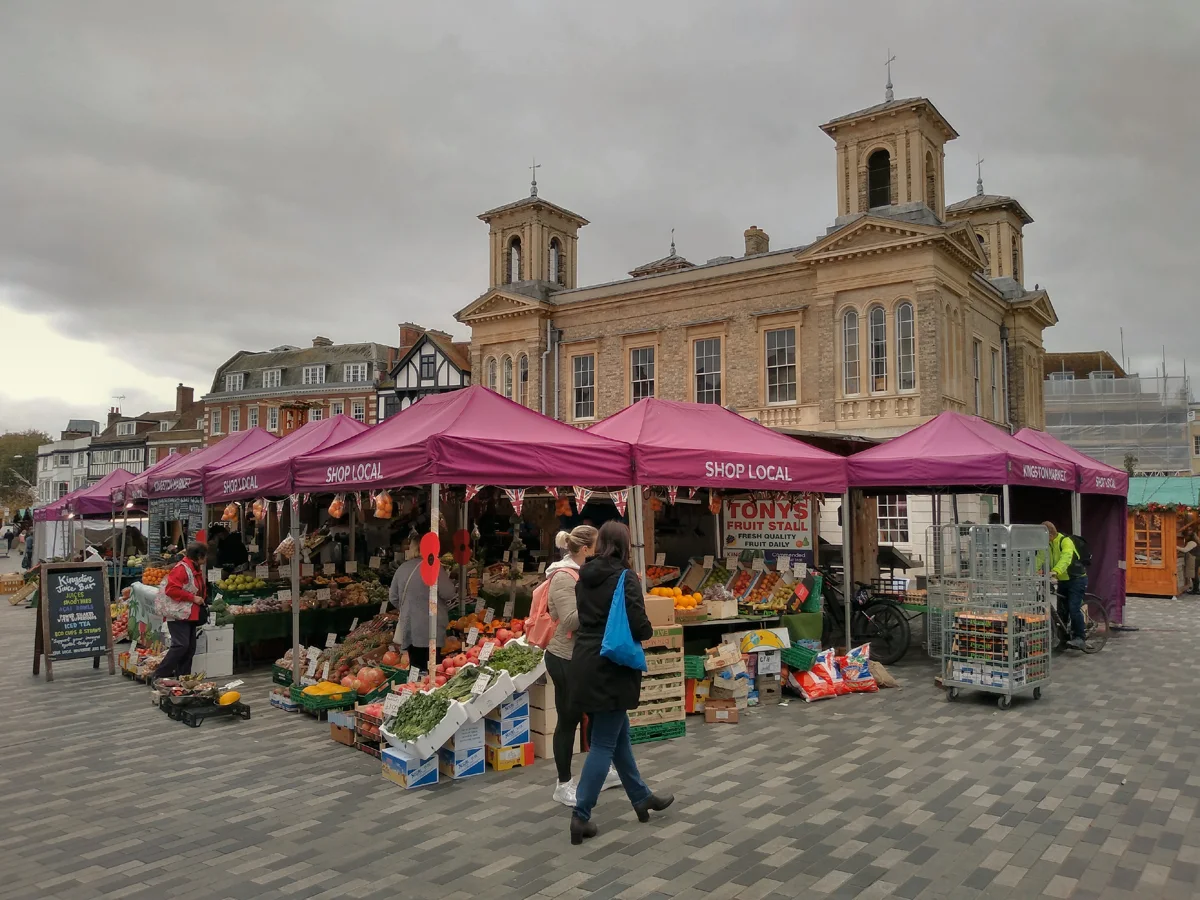 Roads & routesLime riders can no longer end trips in Kingston: what changes for your journeyBy Alex RowanKingston’s restriction applies to ending and parking Lime hire-bike trips. The council says Forest remains its contracted operator.
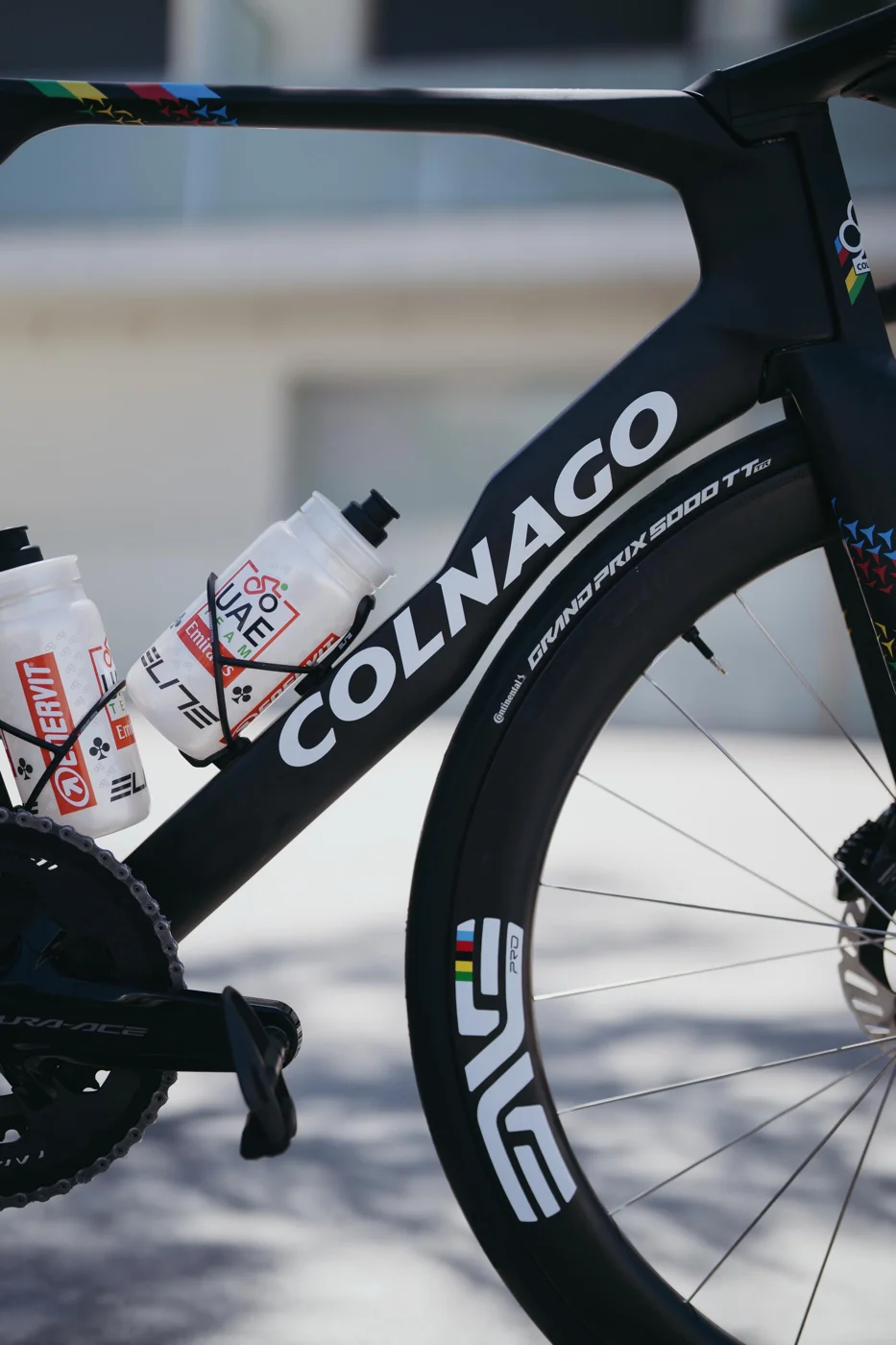 Cycling guideWhat bike does Tadej Pogačar ride? His Colnago setup explainedBy Alex RowanUnderstand Pogačar’s documented 2026 Tour de France Colnago Y1Rs setup, and which equipment choices make sense for everyday road riders.
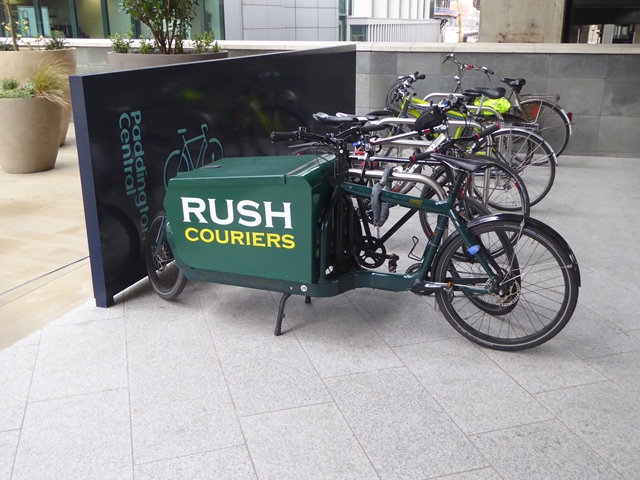 People & community · AnalysisCargo bikes and tradespeople: the UK row asks the wrong questionBy Alex RowanA ladder question in an LBC exchange exposed the practical argument over cargo bikes and work journeys. Here is what the debate is about—and what a fair trial needs.
Comments & discussion
Have your say. No account needed; reader comments appear after review.
Leave a comment