
UK & overseas routes
Choose somewhere to ride
Four starting points: Coast and Castles, King Alfred’s Way, the Loire and the Danube.
Explore → Search ↗
Routes, holidays & practical planning
Find a place you want to ride, choose the support you need and build a trip with time to enjoy it.
Updated 2 November 2026
A route to explore, a holiday with support or a film that sparks an idea.
UK & overseas routes
Four starting points: Coast and Castles, King Alfred’s Way, the Loire and the Danube.
Explore →
Holiday providers
Compare guided and self-guided trips, luggage support and the details to check before booking.
Explore →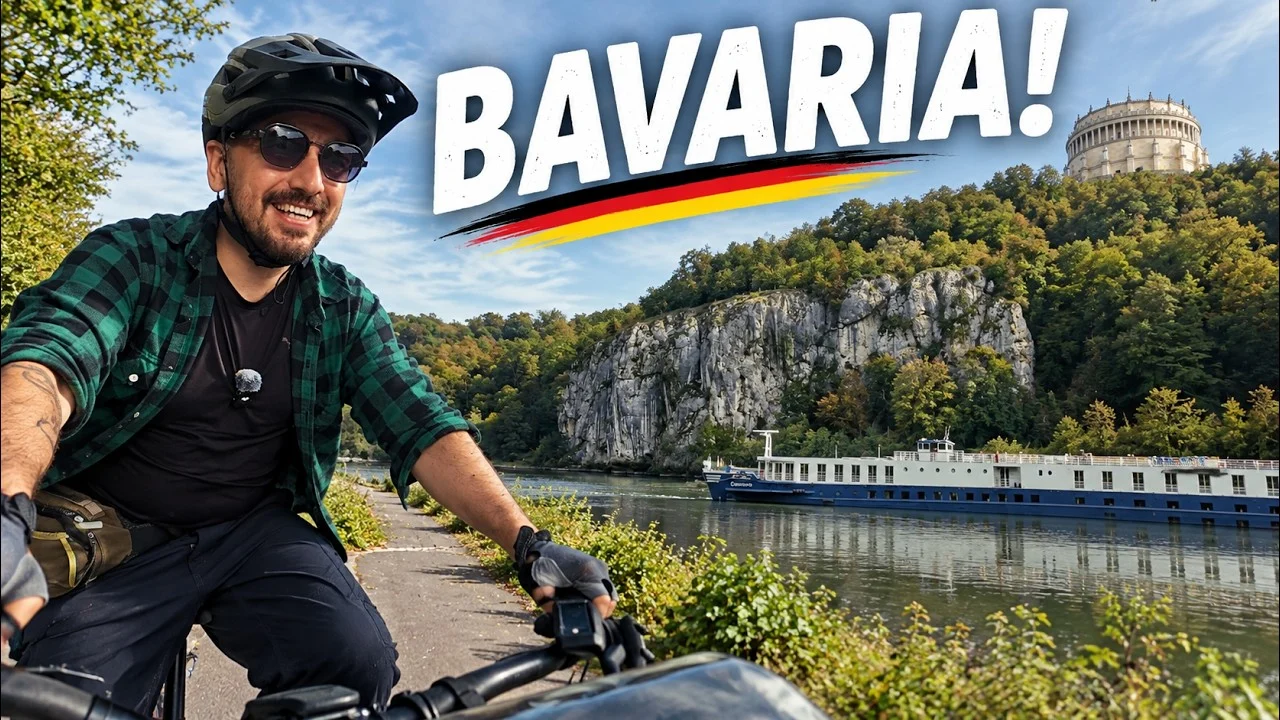
Touring films
Six films covering UK rides and overseas trips, with useful pointers for your own plan.
Explore →Get the route, transport and bags working together before you book.
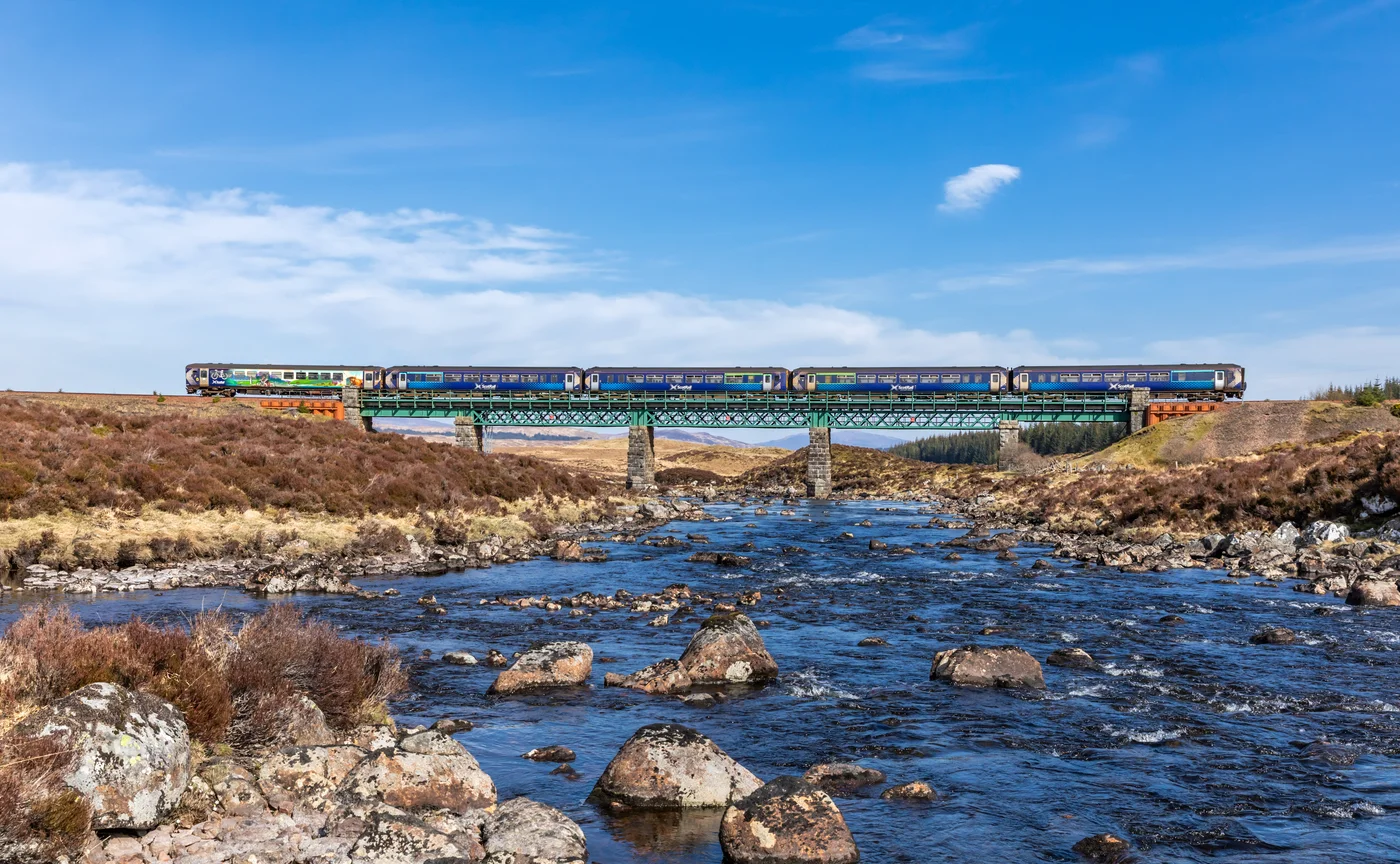
Trains & bikes
Check e-bike acceptance, battery restrictions and cycle reservations, with links to operator policies.
Explore →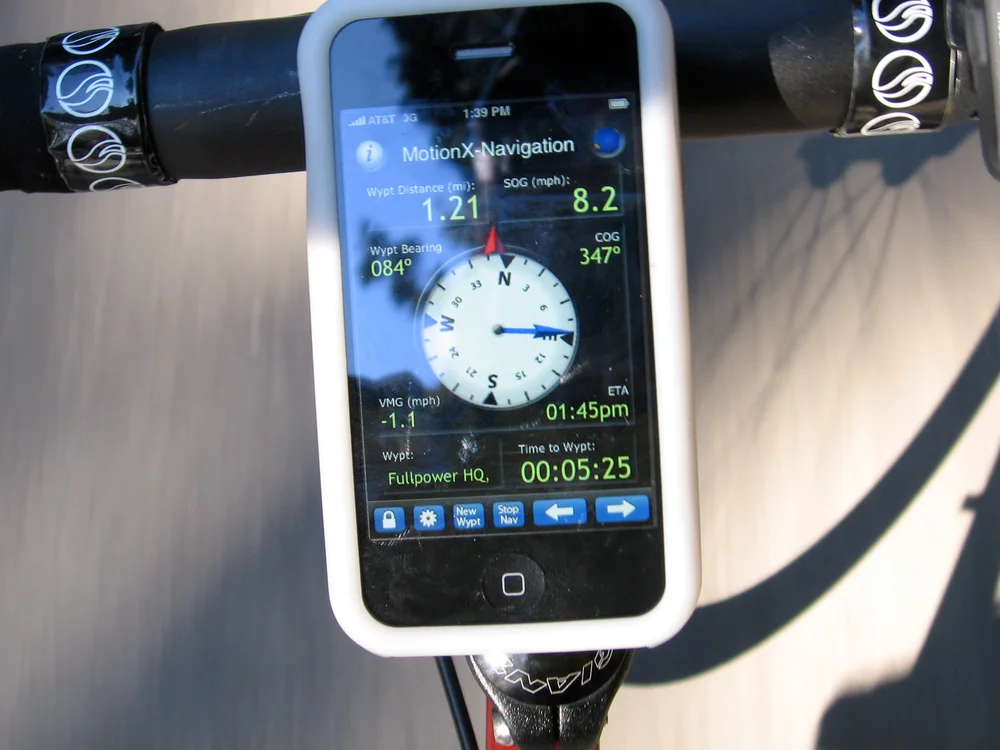
Route planning
Check surfaces, stops, offline maps and ways home before following the line.
Explore →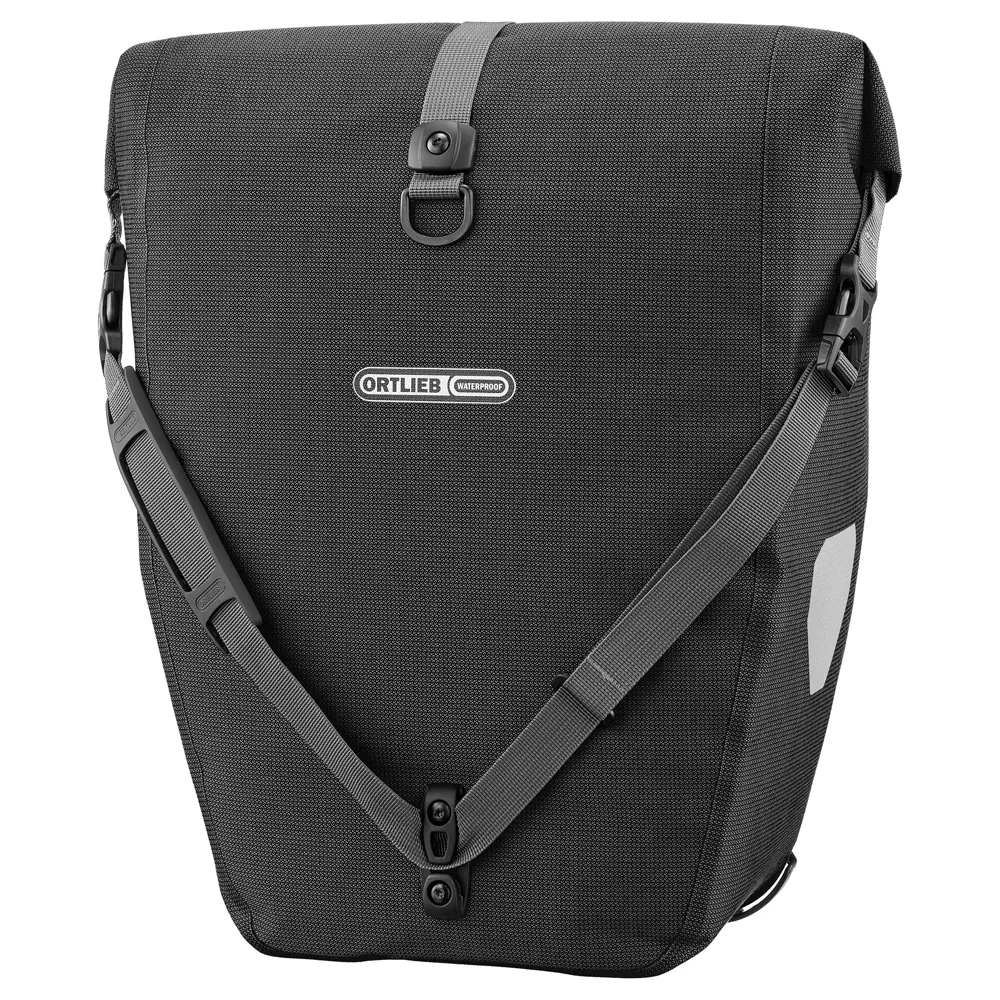
Touring luggage
Compare mounting, capacity and weather protection, then check the fit on your bike.
Explore →Already have bags? Stop your heels catching the panniers →
Use the calculators first, then read the full explanations on each tool page.
Choose your route
Choose the ground and the shape of the day before choosing how far to go. Coast and Castles puts seaside towns and history into the ride. King Alfred’s Way asks for confidence on rough tracks. The Loire offers towns and river stages. The Danube lets you build a trip around the places you want to stay.
You can ride a section without taking on the whole route. That is often the best way to start. Pick two or three places you want time in, then see whether the riding and travel fit between them. A good holiday can begin with a short line on the map.
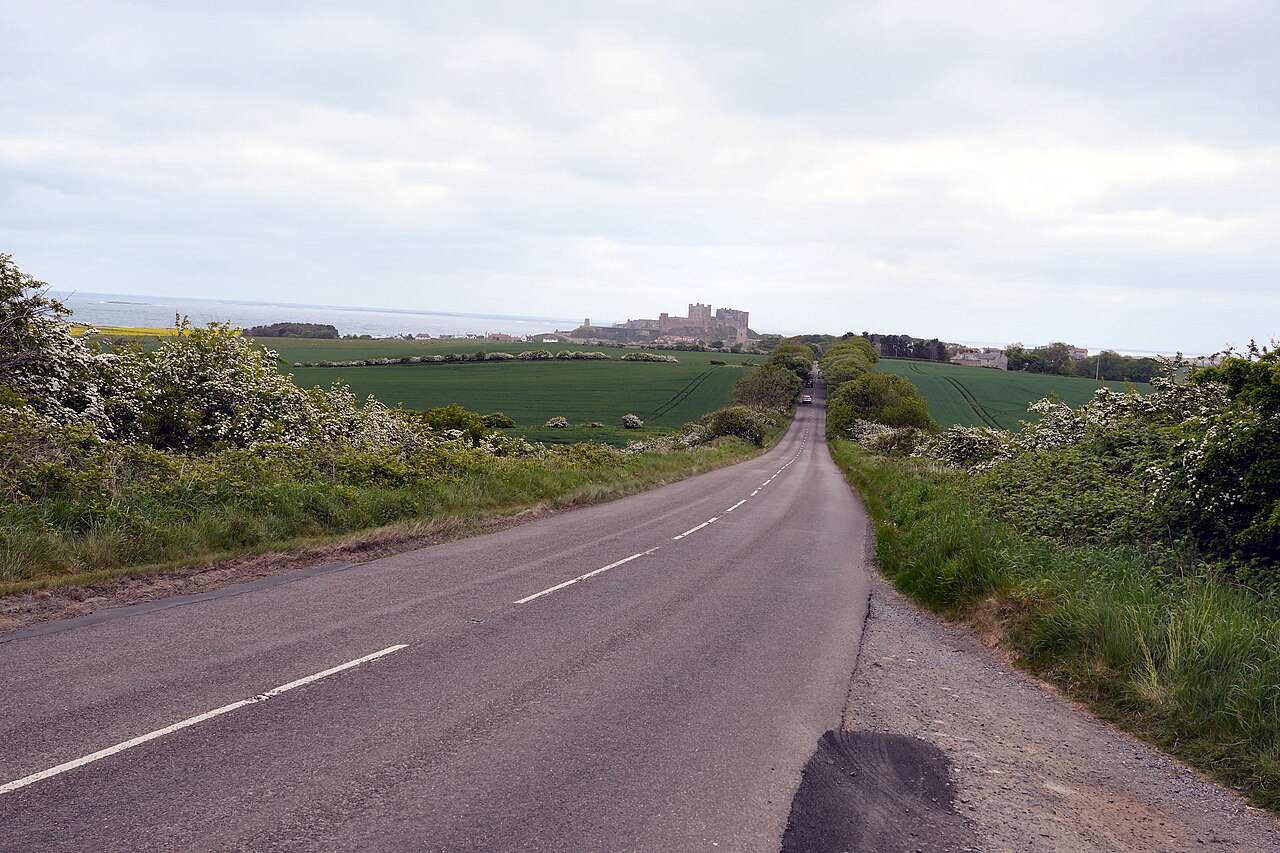
Choose this for seaside stops, castles and the feeling of moving along a coastline. Visit Northumberland describes the Newcastle–Edinburgh route as 192 miles, with 85 miles in Northumberland. That is the whole named route, not a daily target. The exact stages and route option matter more than the headline distance.
Start by marking the places you want to explore. Then check where you can sleep and how far each link really is. A castle visit needs more than a pause for a photograph. Leave time to lock the bikes, go inside and eat. A headwind may take a share of the afternoon too.
For a short break, choose a stretch with useful transport at both ends. Check bike acceptance and reservations for the exact train. If you bring an e-bike [a bike with motor help while you pedal], use the train guide before buying tickets. A station on the map is helpful only if the journey works for your bike.
Do not assume every stage is traffic-free. Inspect surfaces, climbs and road sections before choosing the bike or booking rooms. Pick this route because you want its stops and coastline; allow the weather and the places to shape your pace.
Cycling UK’s King Alfred’s Way is a 350km circular route in southern England. The route creator calls it an “off-road adventure route”. That is a useful clue to the holiday: rough ground is part of the appeal, not a short interruption between smooth lanes. Start here if you enjoy that sort of riding.
Bikepacking means carrying overnight kit on the bike, often on a trip that uses tracks and trails. The label does not tell you how hard a particular day will be. Read the route notes for surfaces, climbs and access. A short distance can take a long time when you are picking a line over uneven ground.
Choose stages around your skills with the bike loaded. Wet ground can slow progress and change how a section feels. Use the route creator’s current file and advice, then check where you can refill, eat and stop overnight. Do not copy the timetable of a fast film just because its riders make the day look easy.
A rough loop and a gentle river trip solve different holiday wishes. If you mainly want relaxed town visits, start with a river section below. If the trail itself is what draws you out, give King Alfred’s Way enough days to enjoy it. A shorter section is a valid choice.
Watch the ride · Global Cycling Network

GCN’s Simon and Hank ride with an overnight camp in this 2020 film. The story makes an inviting case for an adventure close to home. Watch how the ride and the stop fit together, then choose a pace that suits your own trip.
Their ambitious timetable is part of the film’s challenge. Use the current route notes for access and surfaces. The film can help you picture the outing; it does not set the number of days you ought to take.
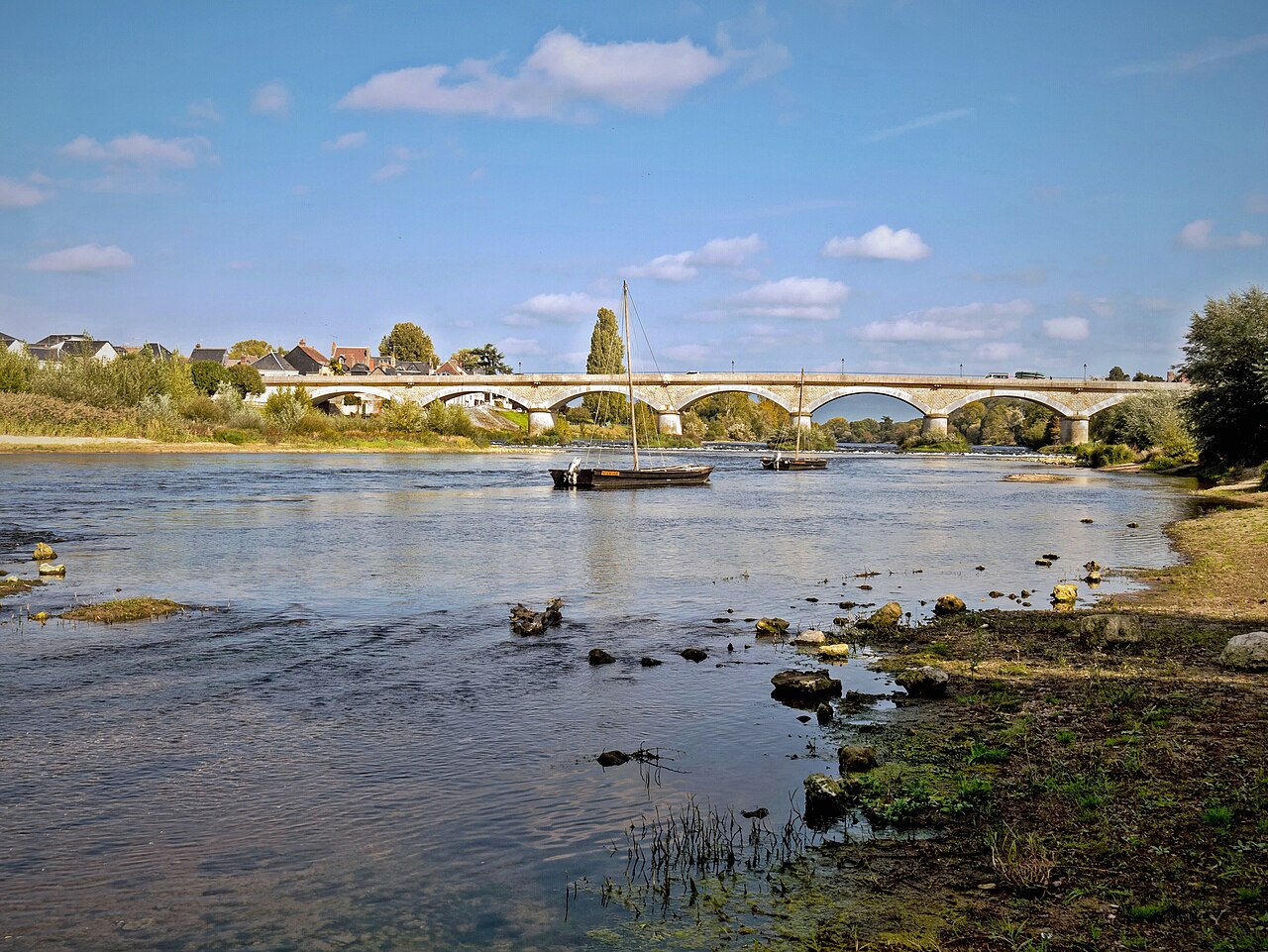
Choose the Loire if you want riding to share the day with towns, food and visits. The official Loire à Vélo site describes a 900km signposted route network and promotes it for first-time touring. You do not need to ride the lot. Start with a stretch containing places you would enjoy even on a day off the bike.
One base can work well here. You unpack once and take rides from the same town, leaving time for a visit or a rest day. A moving trip gives you a new stop each evening, but you have to reach it. Decide which shape suits the people coming with you before booking a chain of rooms.
Check the line from the route to each hotel. A small gap on a country-scale map can hide a climb or a busy approach. Ask about secure bike storage and arrival times. If you hire, confirm the collection point, return point, bike size and what happens if your travel is delayed.
Use the route’s current maps and travel advice for your chosen stretch. Check local alerts too. A signed route can still have mixed surfaces and roads. Give sightseeing its own time. A castle visit needs a place in the plan, not just the spare minutes after a ride.
The Passau–Vienna idea suits riders who like a journey linked by river towns. The official Austrian route site provides maps and stages you can use to choose the stops. Begin with the places you want to see, then work out which sections you want to ride. You can choose a shorter stretch and spend longer in one town.
Check which riverbank each stage follows and how the crossings work. A bridge and a ferry create different plans. Look up any sailing timetable and seasonal service for your dates. Do not build a tight day around a crossing you have only seen in an old video.
Compare a self-arranged trip with an operator’s plan if moving bags or booking several stays feels like too much work. On a self-arranged tour, you choose the rooms and carry or arrange the bags. A package can handle those jobs, but the exact quote must say which services it includes.
Ask where the hotel is in relation to the route and the next morning’s start. If you hire a bike for a one-way trip, confirm the return arrangements. The useful comparison is the whole day, including crossings, stops and the ride to the room. The river’s name alone cannot tell you how that day will feel.
Our Danube video pick · Bike Trekking with Karl
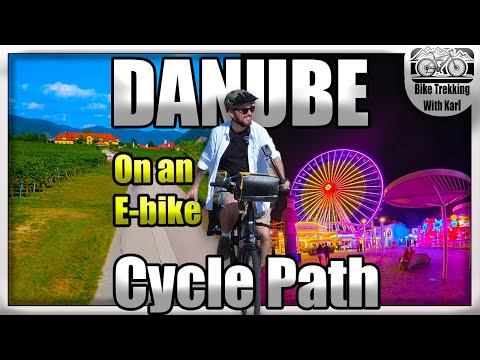
Karl’s film follows Grein to Vienna, not the whole Passau–Vienna route. Chapters include Melk and the Wachau Valley, then time in Vienna itself. That gives the trip a shape beyond a string of riding days. It is a good prompt to leave room for the destination.
His curiosity and enthusiasm give the journey its warmth. The moment when he gets to grips with switching on the e-bike assistance also makes the trip feel approachable. Watch for the towns and the feel of the ride, then check present-day stages and services for your own dates. Karl identifies Freewheel Holidays as the trip’s sponsor.
Start with a day you would be pleased to repeat. Moving speed means your average pace while riding, with stops left out. In this made-up plan, 45km at 15km/h needs three hours on the bike. Add an hour for food and visits, plus 30 minutes of spare time. You now have a four-and-a-half-hour day.
Change the moving speed to 10km/h and the riding alone takes four and a half hours. With the same stops and spare time, the day takes six hours. Neither pace is a promise for these routes. The point is to see the effect of slower ground before a hotel or ferry makes the choice for you.
Use the ride planner to compare those scenarios. Then check the daily cost in the budget tool. Add room to the plan where it buys something you want: a visit, a rest day or a calmer arrival.
Finally, look at the load. Carry the things the route and weather call for, and check bags are secure. Use the packing tool to count food and water as well as clothes. Choose a day that works with the bike and load you will actually have. The whole route will still be there for another trip.
Comments & discussion
Have your say. No account needed; reader comments appear after review.
Leave a comment