A bike lock must resist attack, fit around the bike and parking stand, and be practical enough to use every time. This guide compares five researched options by those jobs. It also explains security ratings and shows how the locking arrangement can undo the benefit of an expensive lock.
Choose the parking place first
Look at where you actually leave the bicycle and read any insurance conditions. Check that the stand is firmly fixed, not visibly damaged and cannot simply be lifted out or have the bike lifted over it. A lock only connects your bike to the object you have chosen.
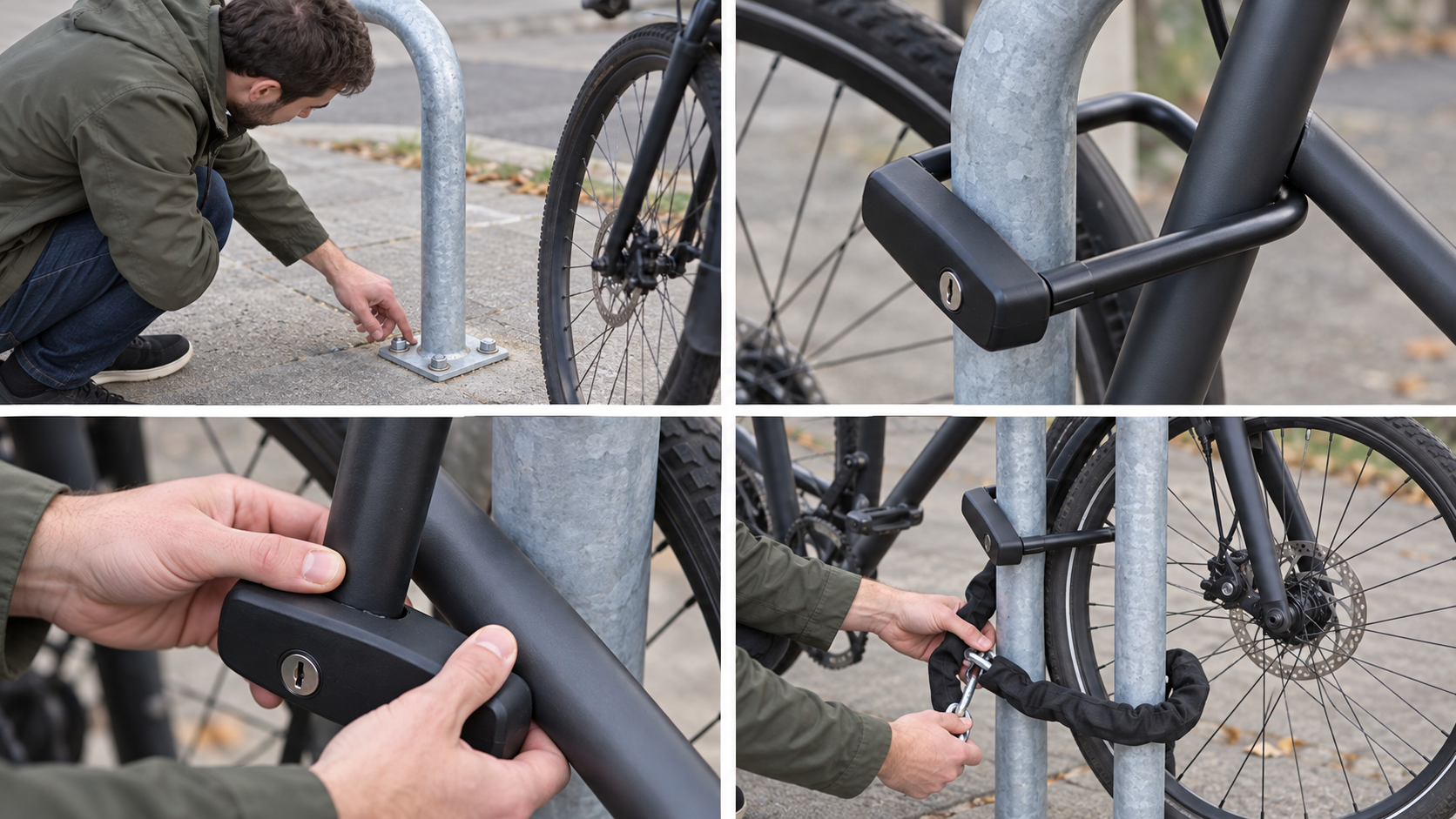
A small D-lock may work well with a slim parking hoop but struggle around a bulky frame or wide post. Measure or try the locking space before ordering. If the anchor is insecure, move elsewhere; upgrading the lock does not repair it.
D-lock, chain or folding lock?
A D-lock has a rigid shackle (the curved bar that closes into the lock body). A chain offers a different reach around awkward shapes, usually with a carrying penalty. A folding lock packs down neatly, but its security must be judged by the exact model’s approval, not its convenient shape.
For the D-lock arrangement shown, enclose a solid frame tube and the fixed stand. Include a wheel where it fits without compromising the frame connection. Locking only a removable wheel can leave the rest of the bicycle unprotected.
Check the closure, not just the rating
Seat the shackle fully, operate the lock and remove the key. Gently check that the body and shackle stay together. Keep unnecessary space inside the lock to a minimum where practical, without forcing it against cables or damaging the bike.
An approval grade describes the tested model. It does not promise that a bicycle is theft-proof or that every variant meets your insurer’s requirements. Check the exact product in the approval database and follow the policy’s locking conditions.
Include the wheels and the carrying routine
Use suitable additional protection for a wheel that the main lock does not cover. A light accessory cable is not equivalent to a primary security lock. Remove valuable loose accessories and keep a record of the frame number.
Try the complete set on your normal journey: mounted on the bicycle, in luggage or stored at an approved secure destination. If a lock is awkward to carry, find a workable arrangement that retains the required protection. The five options below have different sizes, weights and security trade-offs.
How we selected: We compared official product specifications, published UK prices where available and practical fit requirements. The selection labels are our assessment of those features. We have not personally tested these products.
Checked 12 October 2026. Prices refer to the named variant or package and can change. They do not guarantee stock or the lowest offer. Unverified UK prices are marked; US prices have not been converted into invented UK offers. These are five options by use, rather than a universal performance ranking. No affiliate links are included.
Compare the five options
| Product | Shortlist for | UK price checked | Key specification |
|---|---|---|---|
| Litelok X1 | Grinder-resistant shortlist | £169.99 UK listing | Armoured D-lock |
| Hiplok D1000 | Premium grinder-resistant option | £249.99 UK listing | 92 x 155mm locking area |
| ABUS Granit XPlus 540 | Conventional hardened-steel D-lock | UK price not verified | 13mm square-section shackle |
| Kryptonite Evolution Mini-7 with cable | Compact frame lock and secondary cable | UK price not verified | 8.3 x 17.8cm; 1.61kg listed |
| ABUS Bordo 6000K/90 | Folding convenience with a security trade-off | UK price not verified | 90cm circumference; 1330g |
Grinder-resistant shortlist
1. Litelok X1
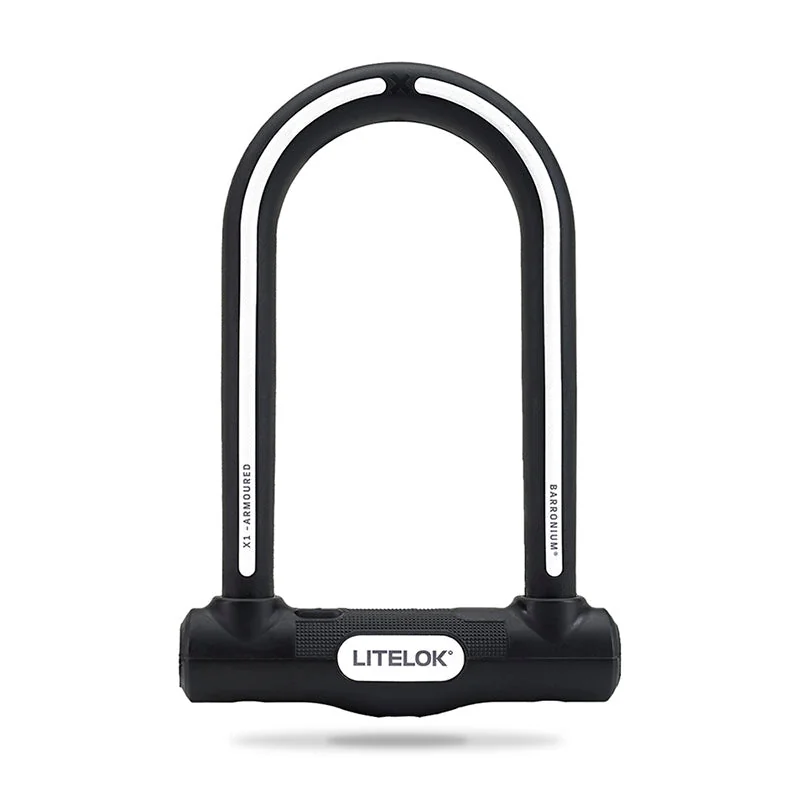
£169.99 UK listing · Armoured D-lock
X1 uses composite armour designed to resist angle-grinder attacks. The maker lists Sold Secure Diamond approval. Compare it for exposed parking where the size suits the frame and stand, checking current approval and your insurer’s exact requirements.
Why shortlist it: A purpose-built grinder-resistance option below D1000’s listed price.
Trade-off: Resistance does not mean unlimited attack time. Try the internal opening around your usual parking stand.
Official product specifications or approval
Our verdict: A strong specification-led shortlist for exposed parking; opening size, carrying and insurance fit still need checking.
Premium grinder-resistant option
2. Hiplok D1000
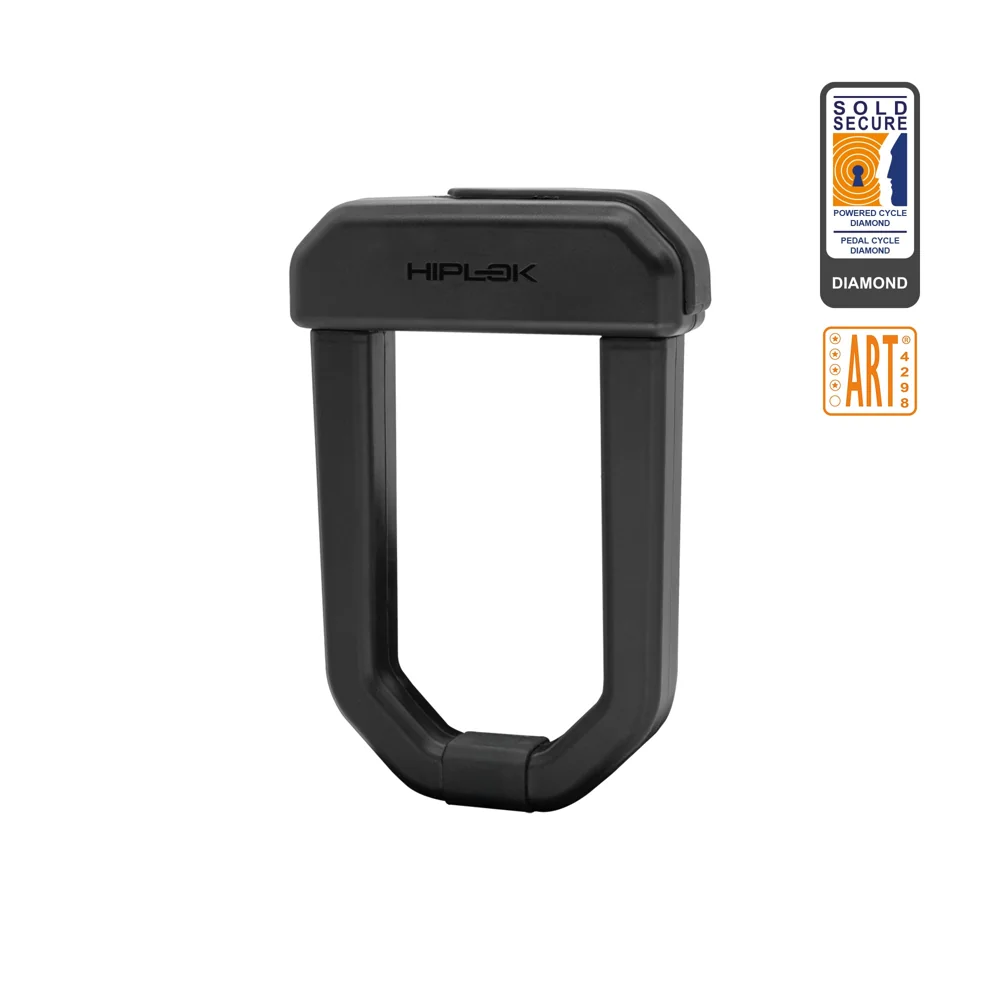
£249.99 UK listing · 92 x 155mm locking area
Hiplok lists Powered Cycle Diamond approval and material designed to wear down grinder discs. Its compact internal space makes the printable sizing guide especially useful. Test the geometry before ordering for bulky frames or wide stands.
Why shortlist it: Dedicated grinder-resistance design and a sizing guide.
Trade-off: A costly lock that cannot secure the frame is the wrong fit. Confirm clearance rather than relying on an exterior photograph.
Conventional hardened-steel D-lock
3. ABUS Granit XPlus 540
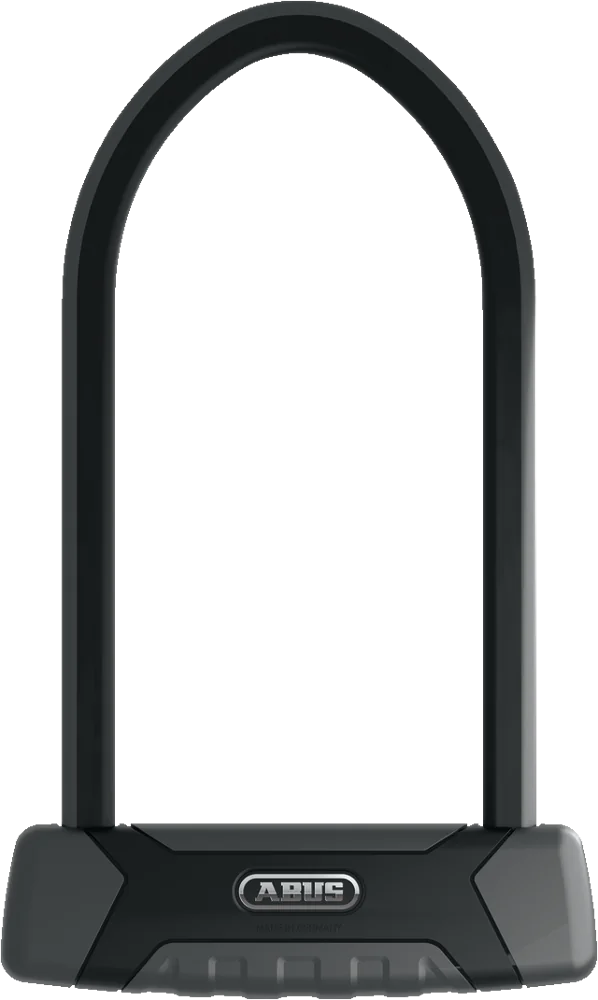
UK price not verified · 13mm square-section shackle
The 540 uses a hardened square-section shackle and XPlus cylinder. Compare the available shackle lengths and brackets for your bike and parking furniture. Confirm exact variant approval where insurance requires a particular grade.
Why shortlist it: A defined steel-shackle design in several variants.
Trade-off: Hardened steel is not equivalent to dedicated grinder-resistance technology. Check the actual rating and opening.
Compact frame lock and secondary cable
4. Kryptonite Evolution Mini-7 with cable
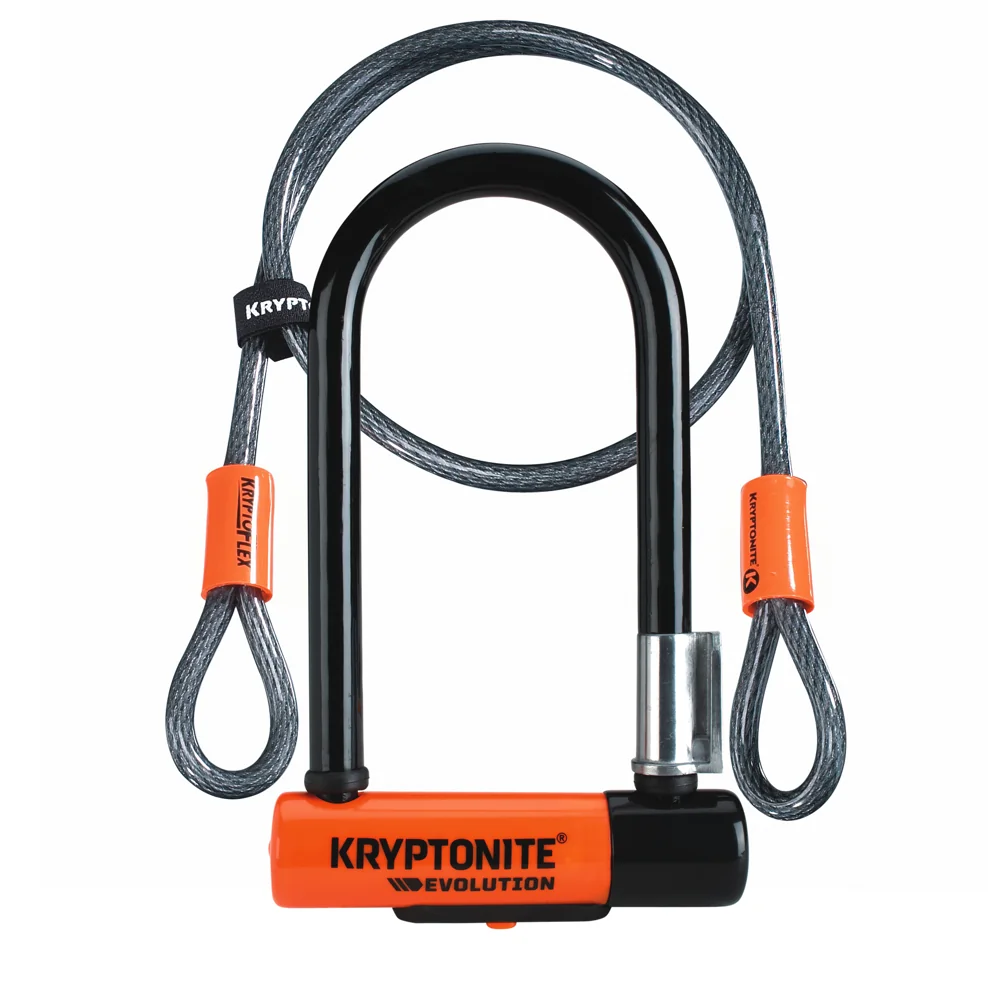
UK price not verified · 8.3 x 17.8cm; 1.61kg listed
The package includes a 13mm D-lock, carrying bracket and flex cable. Secure the frame to a fixed object with the main lock; the cable can supplement it for components. Check that the compact opening fits your normal stand.
Why shortlist it: A compact D-lock package with component-cable provision.
Trade-off: The cable is not an equivalent primary lock. Small openings can force poor locking positions around bulky furniture.
Folding convenience with a security trade-off
5. ABUS Bordo 6000K/90
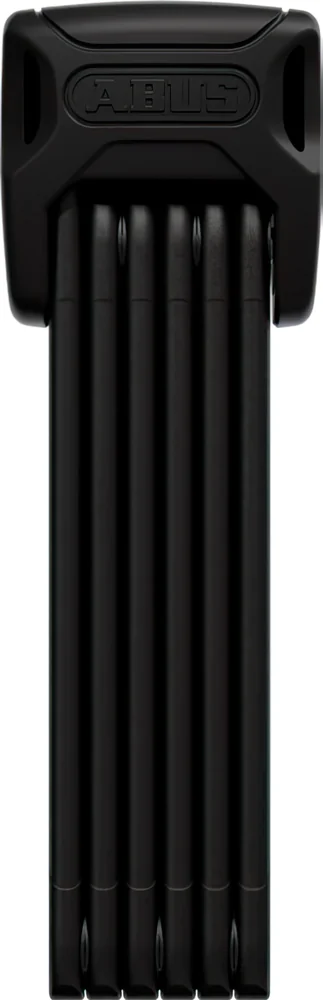
UK price not verified · 90cm circumference; 1330g
The folding format gives different reach and carrying options from a rigid D-lock. Sold Secure currently lists this exact 6000K/90 as Pedal Cycle Bronze. Compare that grade with your parking risk and policy before valuing compact storage over protection.
Why shortlist it: Compact carrying shape and flexible geometry.
Trade-off: Bronze will not meet a requirement for Gold or Diamond. Avoid confusing this model with differently rated Bordo products.
Approval is model-specific
Read the insurance requirements first: scheme, grade, fixing method, parking restrictions and unattended duration. Use Sold Secure’s approved-product search to check the exact lock. A maker’s own scale, historic review or similar model name is not proof of current approval for your policy.
A rating is not a countdown to theft. The stand, frame and lock position also matter. Grinder resistance can increase the work required without making a bike theft-proof. Prefer secure visible parking and minimise unattended time. At home, assess the anchor and storage arrangement as carefully as the lock.
Try the complete locking arrangement
- Measure internal opening or circumference.
- Try locking the frame to a representative immovable stand.
- Include a wheel in the main lock where fit and instructions allow.
- Avoid ground contact and unnecessary empty space.
- Check the carrying bracket clears legs, bottles and cables.
A 1.61kg lock carried twice daily is a different burden from a larger lock kept at secure workplace parking. If leaving a lock there, inspect it before use and confirm the arrangement meets your policy. Do not reduce protection solely to save carrying weight.
A second lock can protect another component and complicate an attack, but cannot repair an unsecured frame or removable stand. Remove valuable accessories, record the frame number and retain purchase and lock documentation.
Join the discussion
What has worked for you? Share your experience or ask a question about this article.
Sign in with GitHub to comment. Your comment and GitHub profile name will be public. Comments appear when posted and may be moderated afterwards.
Keep replies relevant and respectful. No spam, personal information or unsupported accusations. Discussion and privacy information.