
2 November 2026: The Budget has been published. Read what it means for tyre costs and the proposed bike voucher.
The price tag in the bike shop and the junction outside it have something in common: either can put somebody off cycling. Labour’s next Budget offers a chance to tackle both. The question is whether the money will reach people who need a cheaper way to travel, and the routes that would make it useful.
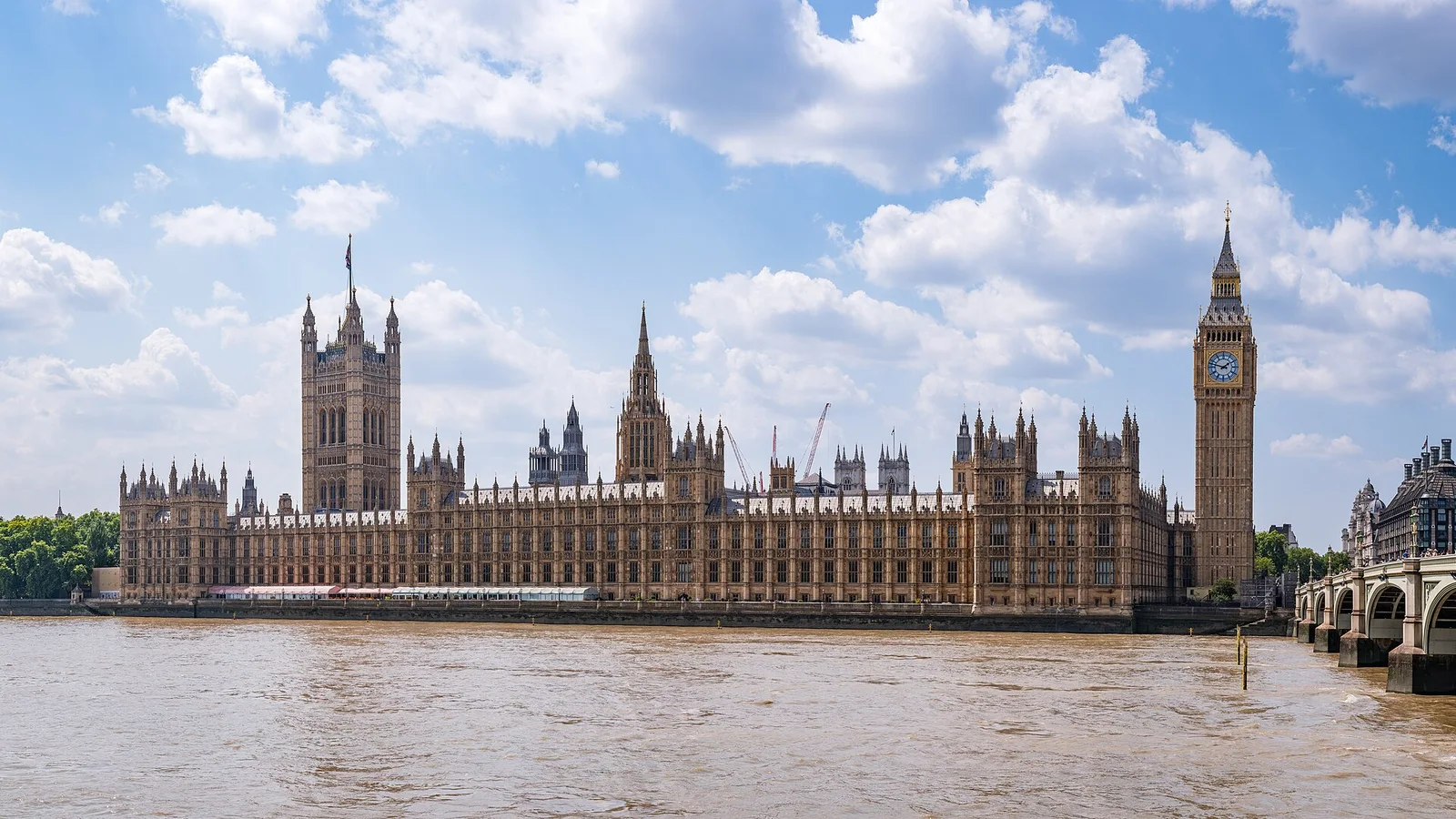
The Chancellor will deliver the Budget on Wednesday 28 October, following Prime Minister’s Questions at approximately 12.30pm. This is a preview of the decisions to watch, rather than a verdict on measures that have yet to be announced. Parliament’s timetable.
A discount for people missing out
Walk Wheel Cycle Trust is asking the government to introduce a cycle-buying voucher offering a 40% discount for people on low incomes, the self-employed and people receiving a pension. Its Budget proposal is aimed at widening access beyond the existing Cycle to Work scheme.
Writing for the charity, policy and public affairs manager Dan Simpson puts the principle plainly: “Everyone deserves to be able to get around.”
The charity argues for choice over the type of cycle, including e-bikes, adapted cycles and cargo bikes. That matters: the bicycle that works for one person’s commute may be useless for another person’s mobility needs or school run. This is a campaign request, not an approved discount or an application scheme readers can use today. Read the proposal.
Our view is that help with the upfront cost deserves serious consideration. A bicycle can offer inexpensive journeys once you own it, but that is little comfort when buying one is the obstacle. Any eventual scheme would need clear eligibility, practical purchasing arrangements and enough support to buy something suitable. A promising percentage alone would not answer those questions.
Check what is new behind the big number
England already has a substantial active-travel investment strategy. Published in June, the third Cycling and Walking Investment Strategy projects more than £4.5 billion of investment over 2025–30, including £1.1 billion for Active Travel England. Active travel means walking, wheeling and cycling; the headline figure is not a cycling-only budget.
The strategy aims for 55% of short journey stages in towns and cities to be walked or cycled by 2035. It also targets 60% of children aged five to 16 usually walking or cycling to school by that year. These are ambitions against which delivery can be assessed, rather than a description of how people travel today. Government’s strategy statement.
For Budget day, the useful questions are what changes, over which years, and who can spend it. Repeating an existing commitment is different from increasing it. So is moving money between programmes. Riders should be able to follow an announcement through to the routes it will actually improve.
The less glamorous spending counts
In September, the government separately announced a £104 million, four-year package for the National Cycle Network in England. It covers work including traffic-free routes, safer crossings, resurfacing, access-barrier removal and repairs to bridges, tunnels and former railway infrastructure. That announcement predates this Budget and should not be presented as fresh October money. Nor should its total simply be added to other funding headlines without checking for overlap. Active Travel England’s announcement.
A repaired bridge rarely gets the attention of a grand opening. For the person whose route depends on it, the difference is considerable. Maintenance and usable connections deserve a place beside new construction when judging what public spending delivers.
Read beyond the speech
Cycle to Work, the cost of buying a bike and wider transport costs all belong on the watch list. Rumours about a tax change are not a reason to announce that a benefit has been cut or a discount introduced.
Parliament says the Treasury releases the supporting Budget documents when the Chancellor finishes speaking. Those details will be essential for checking eligibility, dates and the scope of any measures. We should judge the published package, including changes that receive little attention in the speech.
The geographic distinction matters too. The strategy and network funding discussed here concern England. A UK Budget should not be taken to mean that an English cycling programme automatically applies in Scotland, Wales or Northern Ireland.
Our view: make the affordable journey a realistic one
The strongest cycling Budget would connect help buying a suitable cycle with routes people feel comfortable using. A discount loses much of its appeal if the journey still involves a hostile junction. A good cycleway cannot help somebody who cannot afford a bike in the first place.
Nobody needs to promise that every journey will become a bike ride. Give more people a workable alternative for the journeys that suit them, though, and the choice becomes useful well beyond cycling circles. That is the test worth applying on Wednesday: can more people afford to get moving, and will they have somewhere decent to go?
Comments & discussion
Have your say. No account needed; reader comments appear after review.
Leave a comment