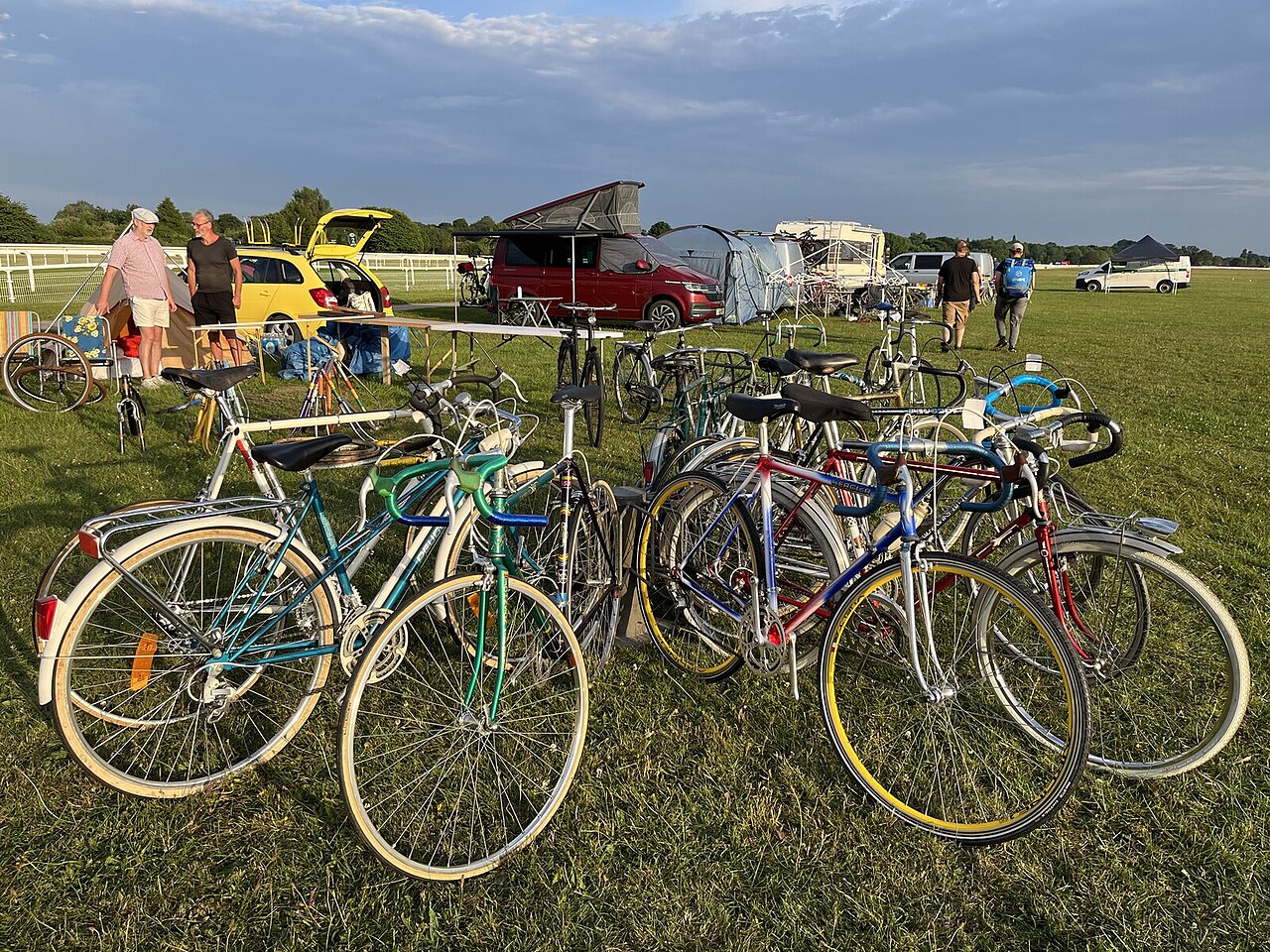
A good used bike leaves you with something you want to ride and money for the things you need. A few paint scuffs are easy to forgive when the bike beneath them is sound.
Compare the asking price plus the work it needs. Tyres, gears and workshop time can swallow a saving quickly. Start with fit and ownership, then work round the bike in daylight. Ask about a safe test ride before you travel. This guide helps you turn vague worries into specific checks and a useful repair quote.
Check the advert before making the trip
Confirm the size, model and rough age. Look up the original size chart as a starting point, while remembering that the owner may have changed parts. A cheap bike that stretches you over the bars is not much of a bargain.
Ask for clear photos of both sides of the bike, with close-ups of tyres, brakes and gears. Paint gets the flattering photo; the working parts tend to get the bill. Cracks, heavy rust, cuts and broken teeth need a closer look.
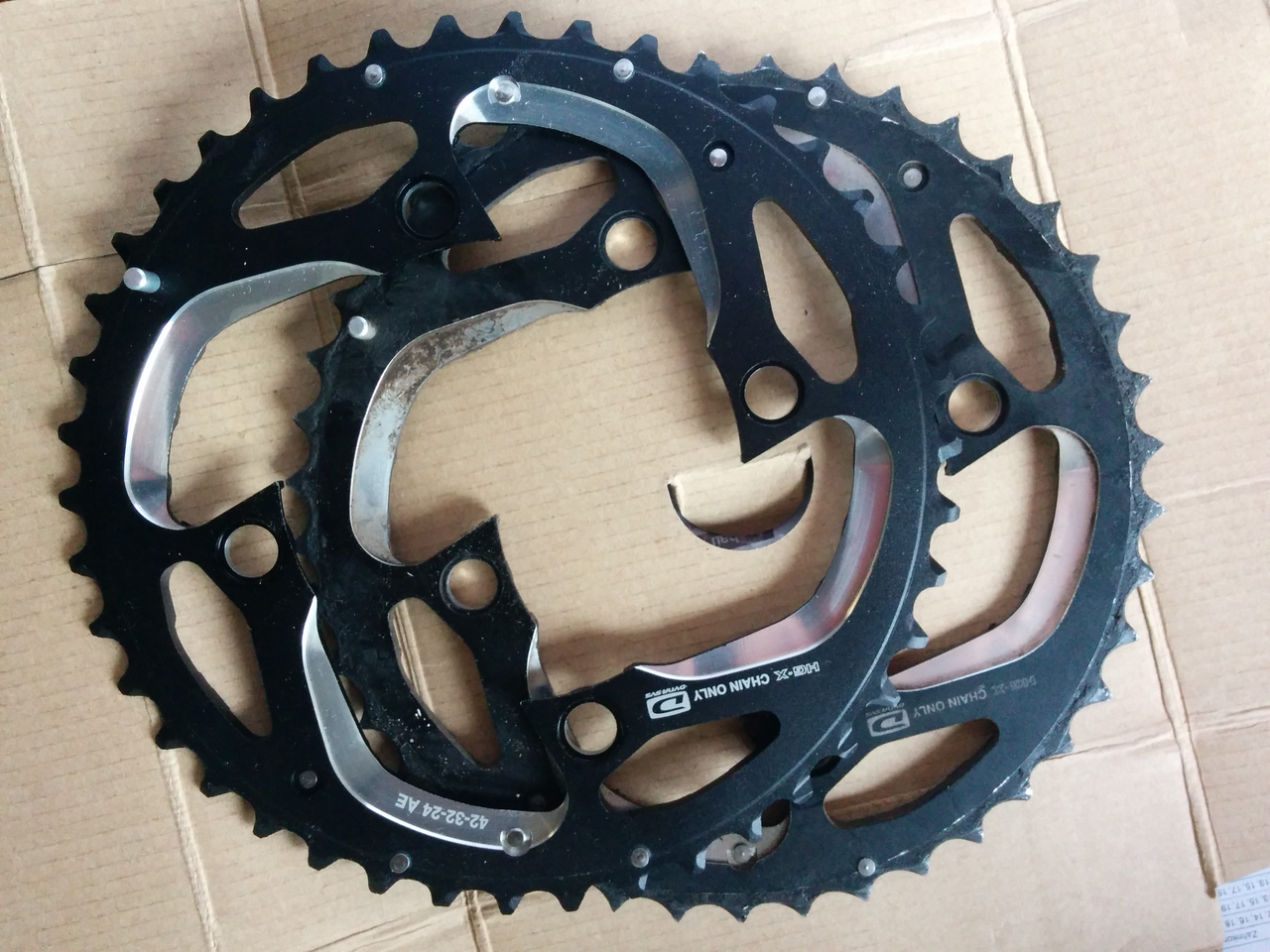
Chainrings are the toothed rings beside the pedals. Some gear teeth are shaped differently from new to help the chain shift. A photo can flag a problem, but it cannot settle wear or the repair cost. Ask what “just needs adjusting” actually means: a rubbing brake, a chain that jumps or a part that has stopped working?
For an e-bike, “probably needs a battery” needs a diagnosis. Check which battery it takes, the replacement price and whether the fault has been assessed. Save the advert and messages so you can compare them with the bike at the viewing.
Before I travel, could you send close-ups of the chainrings, rear gears, tyres and brakes, plus any damage? Does anything skip, rub, leak or need replacing? Do you have the purchase receipt or service records?
Check that the seller can account for it
Ask for the frame or serial number before travelling. Search the registers used where you are buying, then match the number to the actual frame at the viewing. The country links below are a place to start.
Check before you buy
Where to check a bike’s history
- United States: search Bike Index and 529 Garage. Your local police department may also recommend a city or campus register.
- Canada: check 529 Garage and Bike Index, alongside any service recommended by local police.
- Australia: Bikelinc covers Western Australia, the Australian Capital Territory and Tasmania. Elsewhere, ask local police which register to use.
- New Zealand: search 529 Garage, which is promoted by New Zealand Police.
- United Kingdom: use BikeRegister’s BikeChecker.
Elsewhere, use a register backed by local police or a cycling body. Ask which service the seller used, especially for a bike bought abroad.
Search more than one relevant register where possible. They hold different records, and a bike may have crossed a border since it was stolen.
Ask where they bought it, how long they have had it and why they are selling. Receipts, service records and a registration can support the story. An older bike may lack paperwork, so consider all the checks together.
A clear register search does not prove the bike is theirs. Some thefts are never reported or logged. If a number looks removed, the story changes or you are pushed to pay fast, stop and think. Leave a bike you suspect is stolen.
Agree where you will view and test the bike before setting off. Take a friend who knows bikes if you can. A second pair of eyes helps when the bargain is starting to win you over.
Try the size before admiring the kit
Can you get on and off, reach the brakes and hold the bars without an awkward stretch? The saddle should move to a useful height without the seatpost passing its marked limit. Check that the post actually moves; one stuck in the frame can be a difficult repair.
Think about stairs, storage, bags and mudguards too. If the basic fit is wrong, leave it. Buying stems and saddles to make the wrong frame suit you can eat the saving while leaving the original problem.
Look at the frame and fork in daylight
Look along the tubes, round the joints, behind the fork and under the bike. Small scuffs come with use. Cracks, deep dents, creases or signs of a repair need closer assessment. Ask how any damage happened.
With carbon parts, damage can extend beyond what you see on the surface. If the history or a mark worries you, ask an expert to assess it. A discount cannot tell you whether a frame is sound.
Ask before moving anything to check fit, and make sure it is secured correctly before a ride. Look for a straight saddle and bars, but do not assume straight parts prove an undamaged frame.
Spin the wheels and check the tyres
First make sure each wheel is secure. Lift and spin it, watching the rim and tyre separately. A rim that moves sideways and a poorly seated tyre can look similar, but need different work.
Gently check for sideways looseness and listen for grinding. Look round the whole tyre for cracks, cuts, bulges and exposed fabric. Check its space within the frame and mudguards. On a rim-brake bike, inspect the rim's braking surface and wear marks.
Write each concern down. It is easy to forget a tired rear tyre once the seller starts talking about the expensive wheels.
Try both brakes before a test ride
Stand beside the bike and squeeze each lever. It should apply the brake firmly with room left before the handlebar. Gently try moving the bike with each brake applied in turn to check that it holds its wheel.
Look at cables or hoses, pads and braking surfaces. A frayed cable, leak or damaged disc needs assessment. Use the exact maker's wear limits rather than guessing from a photo.
Do not test ride with weak or faulty brakes. A lever reaching the bar needs resolving first. “New pads” may sound promising, but you still need the whole brake to work.
Check the gears under a normal riding load
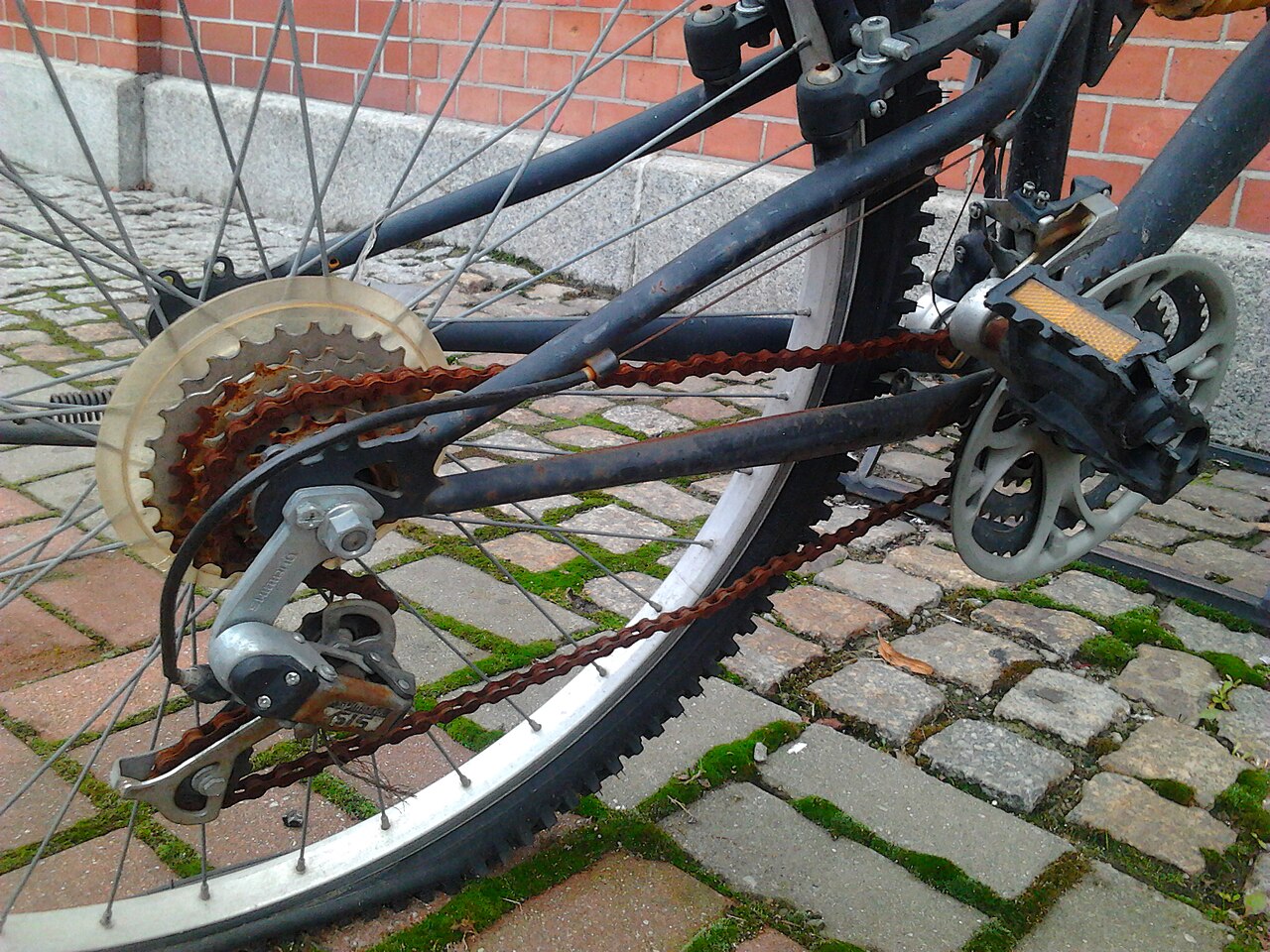
The cassette is the group of cogs on the rear wheel. Look at it with the chain and front toothed rings. Heavy rust, stiff links and broken teeth need investigating. A suitable chain-wear tool can help if you know how to use it.
Try every gear on a safe ride. A worn gear may behave neatly with the wheel in the air and then skip when you pedal with some effort. Poor shifting can also come from adjustment or damage elsewhere, so get the fault diagnosed before pricing it.
Ask whether the lowest gear suits your hill as well as whether it works. A sound old road bike may still be hard work on a steep commute. Use our gear calculator to compare it with a setup you know.
Feel for roughness and loose parts
Bearings let parts turn. The headset is the joint where the fork turns through the frame. With the front brake applied, gently rock the bike and feel for movement there. A brake knock can feel similar, so ask for help identifying the source.
Turn the bars slowly, then check for sideways play at the cranks and listen as you turn the pedals. A pronounced notch, grinding or looseness belongs on the repair list, not in a hopeful guess about a cheap fix.
On a suspension bike, a moving fork or rear unit absorbs bumps. Ask for their service history. Look for leaks, damaged seals and scratched sliding surfaces. Price the service for those exact parts. An older bike can look cheap until overdue work joins the bill.
Take a ride that tells you something
Agree a quiet route with the seller. Start slowly, check steering and braking, then use the gears and a gentle hill if available. Listen for repeated clicks, knocks or grinding and stop if anything feels unsafe.
Notice your hands, brake reach and the way you sit. Ask whether the seller will agree to a workshop inspection if a useful test ride is not possible. On a costly bike, a proper check can be money well spent.
Our wear-parts guide explains the jobs you may be putting on that list. You want a diagnosed repair, not a surprise parts order after paying.
Compare the cost of a ready-to-ride bike
Add the work needed now to the asking price. In this example, the £180 bike needs £190 of work: £370 in all. The £280 bike needs £30 of work, making £310. These are example sums, not repair prices. Get a local quote for the actual jobs.
| What you’ll pay | Cheaper bike Needs repairs | Dearer bike Better condition |
|---|---|---|
| Purchase price | £180 | £280 |
| New tyres and tubes | £60 | £0 |
| New chain and rear gears | £75 | £0 |
| Workshop labour and adjustments | £55 | £30 |
| Ready-to-ride total | £370 | £310 |
The higher asking price leaves you £60 better off here. Use the complete bill rather than the number in the advert. Include lights, a lock, bags and any fitting work you need.
Ask which extras in the photos come with the bike. Compare bikes rebuilt by a workshop too. Ask what was checked, what was changed and what help comes with the sale. Paying a little more may give you an easier start.
Give a used e-bike an extra check
Ask for the right charger, battery keys, service notes and any account transfer you need. Ask the battery’s age and how it was stored. Find out the price of a replacement you can obtain.
A full-charge display shows the charge now. It does not show how much the battery can hold compared with when it was new. Ask a suitable dealer if it can check battery health on this system, and what that check can tell you.
Avoid a battery that is swollen, badly damaged, has overheated or has homemade repairs. Get expert help with a wrong charger or unexplained changes to the electrics. Check the rules for the bike you plan to ride. Our e-bike guide covers those buying checks.
Choose the bike, not the seller’s optimism
Worn grips, tyres or a chain can be fair jobs to take on if you know the cost. Unclear ownership, possible frame damage and unknown electrical faults need resolving before purchase. A discount will not answer those questions.
You are allowed to go home without it. The trip was worthwhile if it saved you buying an expensive problem. For a sound bike that fits, agree the included kit and keep the receipt and records in the checklist below.
Keep this handy at the viewing
Before handing over the money
- Match the frame number to your checks.
- Confirm which accessories, keys, chargers and spare parts are included.
- Get a dated receipt identifying the bicycle, frame number, agreed price and seller.
- Keep the advert, messages and payment record.
- Arrange any necessary work before regular riding.
- Register the bike or complete the registration transfer.
Then you can get on with the enjoyable bit: making it your bike.
Quick answers
Buying a used bike: common questions
What should I check before buying a second-hand bike?
Check size, the seller’s account and the frame first. Look at wheels, tyres, brakes and gears. Ask for a safe test ride; if that is not possible, discuss a workshop check. Add the work it needs to the price. Use the final checklist before you pay.
How can I check whether a bike is stolen?
Ask for the frame number and search the registers used where you buy. Match that number to the actual bike and ask for receipts or a transfer. A clean search is one check; thefts that were not logged will not show up.
What should I ask someone selling a used bike?
Ask how long they have had it, why they are selling, what has been repaired and what needs work. Request close-up photos and ask whether a safe test ride is possible. Use the message near the start of this guide if it helps.
Is a second-hand bike worth buying?
A sound bike that fits can be good value. Add repairs to the price, then compare it with other used bikes, workshop rebuilds and new shop offers. Our worked example shows why the higher asking price can work out cheaper.
How much should I allow for repairs?
Get a quote for the jobs on this bike. Tyres, gears, fork servicing and shop labour vary. If no one knows what causes a fault, ask for an inspection before agreeing a price.
Can I judge chainring wear from a listing photo?
A photo may show thin, hooked or broken teeth. Some teeth have different shapes from new to help the chain shift. Look at the whole pattern, check chain wear and try the gears on a safe ride before deciding what to replace.
Checks and further help
For help with history checks, see BikeRegister and Bike Index. Use the country links above too. For mechanical checks, use the exact part’s manual or ask a bike shop to inspect it before you pay.
Buying guide by Alex Rowan. The photos show parts and checks. They do not show an inspection of a bike for sale here.
Photographs in this guide
Cover: Bicycles for Sale at York Rally 2025, Jennifer Petrie / Geograph, CC BY-SA 2.0. Photograph taken 20 June 2025; resized, with a blurred decorative background. Chainring comparison: UuMUfQ, Used and unused MTB Chainring, CC BY-SA 3.0. Rusty chain: Ixtlilto, Rusty bike chain 01, CC BY-SA 3.0.



Comments & discussion
Have your say. No account needed; reader comments appear after review.
Leave a comment