Start with what your ride needs
Use this guide to decide what to eat, how much to carry and when to drink. The ride-length examples and food quantities help you put together a fuelling plan.
Want food in minutes? Choose a quick meal or pocket snack →
Cooking ahead? Make a batch of ride food →
A short commute rarely needs a pocket full of gels. Several hours on the bike deserve a food plan. Use the suggestions below to choose what suits your ride, with the reasons and sources further down.
Carbohydrate, often called carbs, is a source of fuel. Bread, rice, oats and fruit supply it. The examples below show what amounts look like as food.
Your food-and-drink quick guide
Choose by time and effort, then adjust for appetite, weather and what you know agrees with your stomach.
Before you leave
Give breakfast time to settle
- A meal, around 2–3 hours before
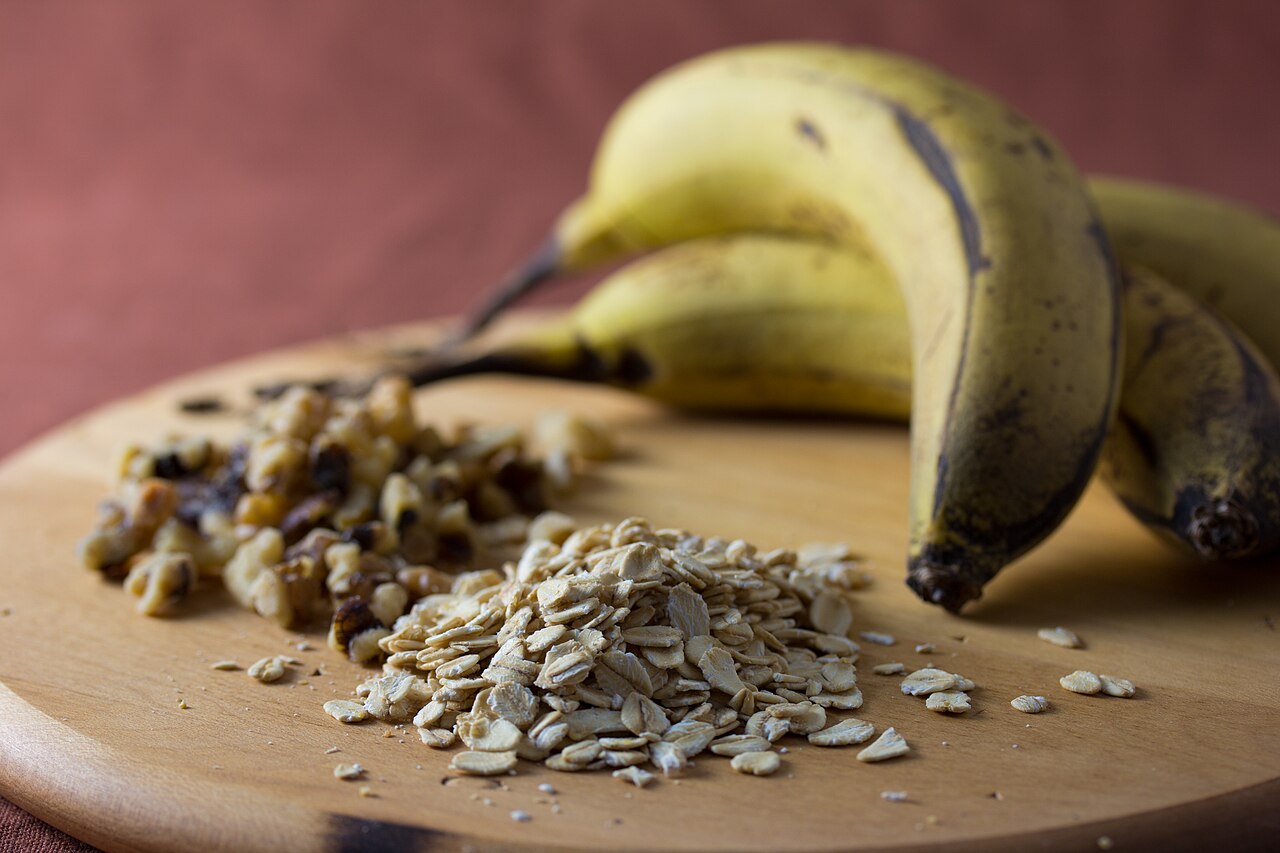
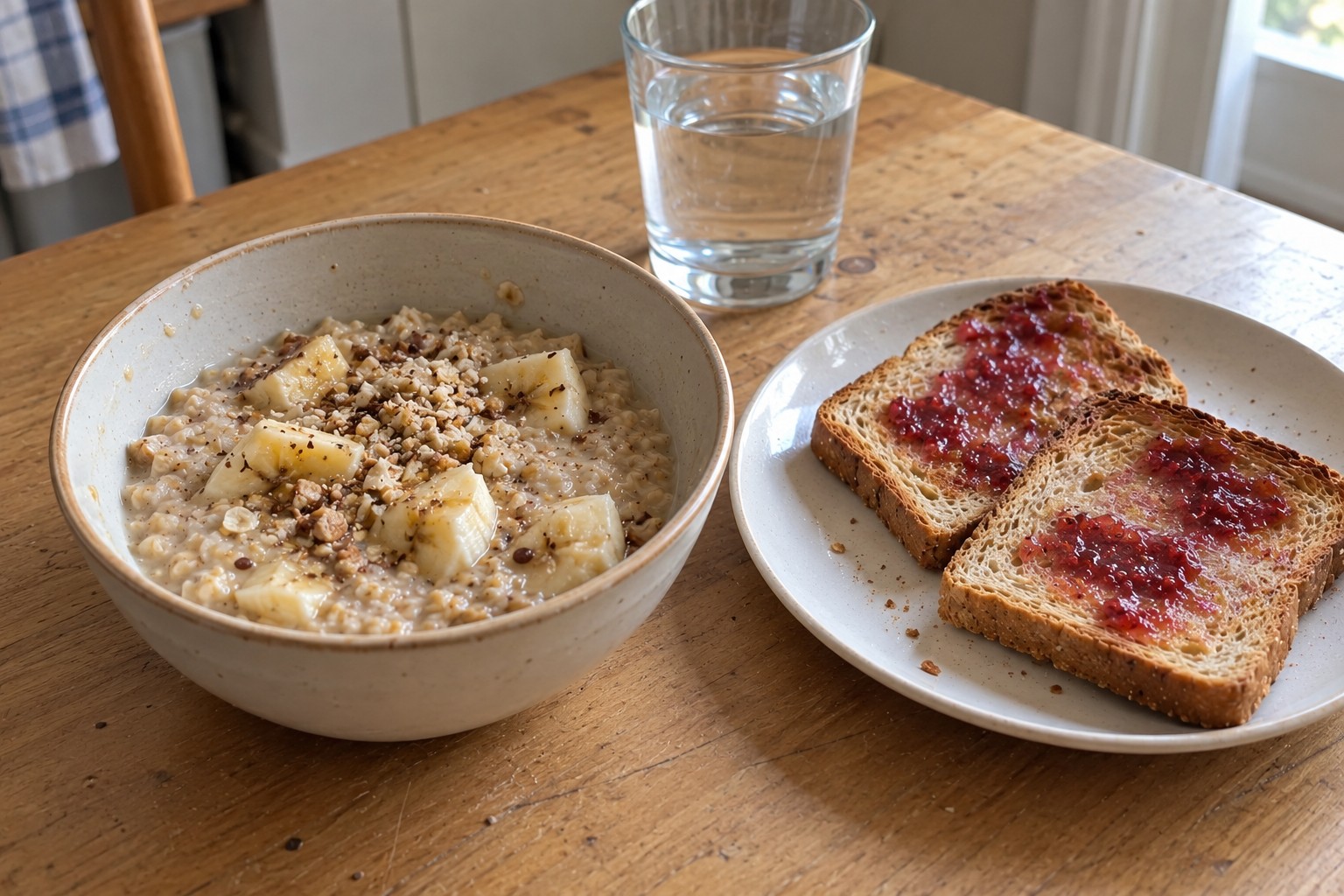
- 40 g dry oats cooked with 195 ml semi-skimmed milk, plus one medium-large banana: approximately 58 g carbohydrate.
- Only 30–60 minutes to spare?
- Try one medium-large banana (about 25 g carbohydrate) if you need a snack. Keep the portion comfortable rather than forcing down a full breakfast.
Weigh the oats dry. The milk amount is the one used in the checked example. If you swap milk, use that drink’s label to work out what changes.
More on pre-ride meals →While you ride
Match the snacks to the outing
- An easy ride under about an hour
- If you have eaten breakfast or lunch, extra ride food is usually unnecessary. Take a banana if the trip may grow or you are already hungry.
- Riding for longer or working harder
- One jam sandwich (two small slices, about 58 g bread, plus 20 g jam) supplies approximately 38 g carbohydrate. A medium-large banana supplies about 25 g.
For hard, sustained exercise of about 1–2½ hours, AIS gives a guide of 30–60g carbs per hour. That is not a target for every gentle ride. Match the plan to the effort.
Understand the amounts →What to drink
Water first; check the extras
- Short or easy riding
- Water is usually a practical choice. Carry it where you can reach it, or stop to drink.
- Longer, harder or hotter riding
- Plan refills and adapt to your sweat losses. A sports drink can supply fluid, carbohydrate and electrolytes.
Electrolytes [minerals lost in sweat] and carbs do different jobs. A tablet may give you little or no fuel. Check the label. There is no universal bottle-per-hour rule.
Make a drinking plan →After the ride
Choose a meal you can actually make
- Rice bowl
- 150–160 g cooked rice with 75 g cooked chicken and vegetables. Rice and chicken contribute roughly 50 g carbohydrate and 20 g protein, using BDA portion examples, before vegetables and sauce.
- No cooking?
- 200 g high-protein Greek yoghurt, 60 g oats and a banana: about 67 g carbohydrate, with 27 g protein from the yoghurt and oats. Check the yoghurt: ordinary and plant-based versions can contain much less protein.
Eat after the ride if you are hungry. If the next hard session is less than eight hours away, refuel promptly. The section below explains why that gap matters.
More on recovery →Put it in your bag
A three-hour ride, worked through
A steady outing with no planned café stop. This example shows the sums; it is not a personal food plan.
- Breakfast, with time to digest. Cook 40g oats with 195ml semi-skimmed milk and add a banana. That is about 58g carbs in the checked example. It is separate from the food packed for the ride.
- Make two jam sandwiches. Use four small bread slices, about 115g in all, and 40g jam across both. The checked labels give about 76g carbs in total. Bigger bread or a different jam changes the sum.
- Add two medium-large bananas. These give about 50g carbs. Your packed food now has about 126g. Across three hours, that is about 42g per hour. It is a worked plan, not a target for every three-hour ride.
- Split the food into six portions. Cut each sandwich in half. That gives four halves and two bananas. For example, eat one portion about every half-hour. Adjust for effort and how your stomach feels.
- Plan bottles and a backup. Two 750ml bottles hold 1.5 litres. That is what you can carry, not what you must drink. Find a refill stop and pack spare food for delays. Count any carbs in drinks with the food.
The sandwich sum uses the small bread slices and jam named in the sources. Your sandwich may differ. This is a steady-ride example, not fuel for a hard three-hour race. AIS gives higher intake guidance for long, hard events.
The reasons behind the choices
Food, fuelling and hydration in more detail
Use the sections below when you want to understand the timing, labels and trade-offs.
What to eat before cycling
Eat for the ride you are about to do. You do not need a sports packet to put fuel in the tank. The useful question is how much food suits this ride and when you can eat it.
For breakfast, 40g dry oats with 195ml semi-skimmed milk and a medium-large banana give about 58g carbs using the portions checked here. The oats and milk give about 33g; the banana adds about 25g. This is a worked portion, not a full day's food or a target for everyone.
Or try two small slices of bread, about 58g in all, with 20g strawberry jam. The checked labels give about 38g carbs. A banana takes that to about 63g. Thick slices and a different spread change the sum. Use your own labels when the detail matters.
If you can, leave roughly two to three hours after a meal before riding. With only 30–60 minutes, a banana or one slice of toast may sit better than a large breakfast. Try the timing on an easy ride. A rich, fatty meal or lots of fibre can be hard to manage just before hard exercise.
What to eat during a longer ride
A short, easy ride after breakfast or lunch usually needs no extra carbs on the way. Start hungry, ride harder or stay out longer and that can change. Pack a snack if the ride may grow. It is much nicer to bring a bar home than search for an open shop with tired legs.
AIS guidance for endurance exercise lasting about one to two-and-a-half hours gives 30–60g carbs per hour. That is a performance guide, not a quota for every gentle outing. Think about effort as well as time. Use small amounts through the ride rather than waiting until you feel spent.
For hard events beyond about two-and-a-half to three hours, the guidance reaches up to 90g per hour, with the right mix of carbs and practice. Do not jump to that amount for a relaxed ride. A plan that makes you feel sick is not a better plan because its number is larger.
Count food and drink together. If a drink has 20g carbs and a sandwich has 38g, that is 58g in all. The drink is already part of the fuel total. Test your plan on a routine outing before relying on it for a demanding day.
Ride snacks from an ordinary shop
The table shows what the numbers look like as food. A medium-large banana is about 25g carbs in the checked example. The small-slice jam sandwich is about 38g. You can mix snacks to suit what you want to eat and what survives your bag.
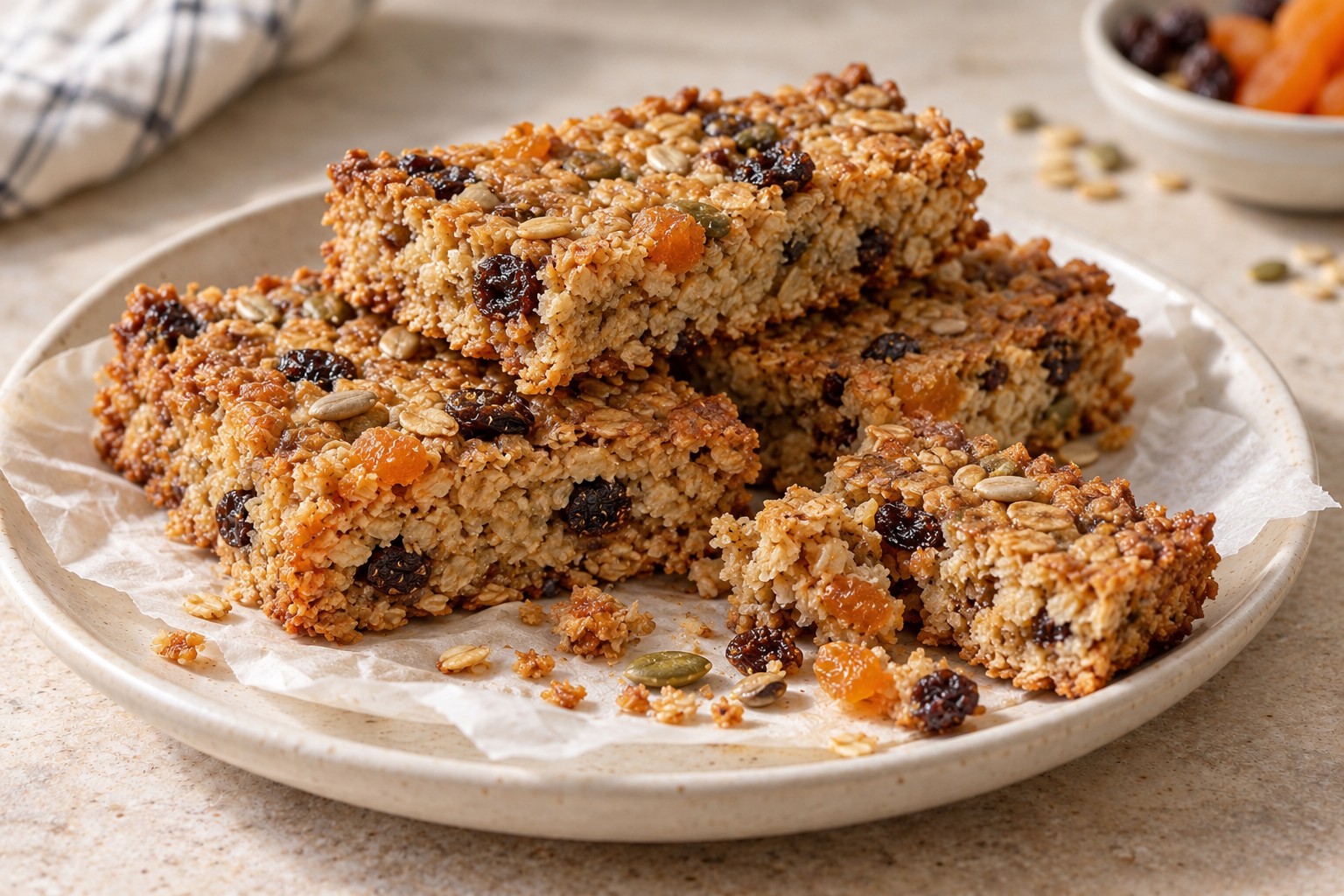
A cereal bar has no fixed fuel value. Read its label per bar. If yours has 24g carbs, two give 48g. That is a sum, not a claim about all bars. Dried fruit can work too; measure a portion and use its packet rather than guessing what a handful weighs.
Wrap food so it stays edible, and bring wrappers home. Nuts can add variety on a tour, but they do not replace a carb-rich snack gram for gram. Stop to eat if handling food would affect your control of the bike. The next safe stopping place is a better feeding station than a busy junction.
Half the BDA’s two-banana, about 50 g example. Fruit size and ripeness vary.
Two small bread slices, about 58 g in total, plus 20 g jam. Cut it in half for two smaller portions.
The SiS GO label gives this amount; other gels differ. Follow the instructions on your own packet.
How much should you drink?
Know what your bottles hold. Two 750ml bottles carry 1.5 litres; two smaller bottles carry less. That is a packing figure, not an instruction to drink it all. Work out where you can refill, especially in heat or on a remote route.
Water is a practical start for a short or easy ride. Sports drinks can add fuel as well as fluid on a longer or harder day. Electrolytes are minerals, such as sodium, that you lose in sweat. An electrolyte tablet may contain little or no carbs. Those are two different jobs on the label.
Start with enough to drink, keep it within reach and drink during the ride. Use what you know from similar outings to plan. Do not force large amounts down just to empty a bottle. A sports dietitian can help with a demanding event if your needs are hard to judge.
The NHS daily guide of six to eight glasses is not an hourly cycling target. Heat and prolonged activity can add to what you need. A tidy number on a packing list cannot replace paying attention to the conditions and your own needs.
Do you need gels or recovery drinks?
After riding, carbs help replace fuel and protein helps repair muscles. Here are three actual meal ideas. Add fruit or veg and change the size for your appetite and day. They are meals to choose from, not a complete daily diet.
Rice, chicken and vegetables
150–160g cooked rice with 75g cooked chicken breast gives about 50g carbs and 20g protein using the BDA portion examples. Add veg and sauce. Weigh the rice once cooked: the same weight of dry rice makes far more food.
Beans on toast
300g baked beans and two small bread slices, about 58g, give about 61g carbs and 18g protein with the checked labels. A different bean recipe or bread size changes that. Check ingredients if you need a vegan meal.
Yoghurt, oats and banana
200g high-protein Greek yoghurt, 60g dry oats and a medium-large banana give about 67g carbs. The checked yoghurt and oats provide about 27g protein. Let the oats soften in the yoghurt or cook them first. A low-protein yoghurt is not the same swap.
After a short easy ride, you can eat at your usual meal time. Beans on toast can be lunch. If you are hungry before lunch, have a snack, such as banana and yoghurt. After a long or hard ride, do not leave yourself hungry for hours while dinner waits.
The gap before the next hard session matters. Sports Dietitians Australia notes a short gap under eight hours as a reason to refuel promptly. With more than 24 hours, meals across the day can cover recovery needs. A rider training twice a day needs a different plan from someone who rode to the shops.
A shake can help when food is hard to manage, but it is not a duty after every ride. Gels earn their place through easy packing and eating. The checked 60ml SiS gel gives 22g carbs. Use its instructions and choose food you can carry and tolerate.
Food planning for a cycle tour
Before a tour day, choose a lunch stop and a water refill. Check opening times. For a morning with no shops, take measured food rather than a vague hope of finding a café. Build eating time into the day, not just distance.
Breakfast might be porridge and banana or toast and jam. A bread roll with a protein filling and fruit can work for lunch. At the evening stop, look for rice, beans, tofu or chicken with veg. Portions and ingredients decide how much fuel those meals provide.
For a food swap, use the label. A 75g portion of tofu does not automatically give the same protein as 75g chicken. The same goes for milk and plant drinks, or high-protein yoghurt and a coconut-based pot. Choose the amount for the job, not just the matching weight.
Keep chilled food cold. For a long warm stretch, choose food that can safely travel without a fridge. Use the ride planner to leave time for stops and the budget tool for food costs. A spare snack at work is a simpler fix for a late commute than riding home hungry.
If you feel unwell, stop and assess
Riders sometimes call a sudden lack of energy “bonking”. Do not assume weakness, dizziness or feeling sick just means you need sugar. Stop somewhere safe, rest and assess what is wrong. Heat illness and other problems can need more than a snack.
Get emergency help for confusion, collapse or suspected heatstroke. A snack is not a treatment for those signs. Get advice for symptoms that return. With diabetes, an eating disorder or a condition that changes food or fluid needs, ask your clinician or dietitian for a plan. This is general adult guidance.
Make eating part of the plan
For a short commute, breakfast or lunch may cover the ride. For a longer day, pack portions, count any fuel in drinks and plan refills. Afterwards, eat a real meal you can make or buy. Once you know which amounts work, it gets much easier than carrying a bag of mystery bars.
Quick nutrition questions
Do I need an energy gel for a short commute?
Usually not for a short, easy ride after breakfast or lunch. If you are hungry or the ride may be extended, take a banana or a sandwich. Longer and harder riding needs a different plan.
Can I use normal food instead of cycling energy bars?
Yes. The banana example gives about 25g carbs; the small jam sandwich gives about 38g. Use your own food’s portion and label. Two snacks that look the same size may not give the same fuel.
Does an electrolyte tablet give me energy?
Not always. Read the label for carbs. A tablet can replace minerals lost in sweat without giving you much fuel. Some drinks do both jobs.
Do I need a protein shake after every ride?
No. Try a meal such as 150–160 g cooked rice with 75 g cooked chicken and vegetables, or 200 g high-protein Greek yoghurt with 60 g oats and a banana. Prompt recovery is especially important when another demanding session follows soon.
How we checked the portions
These are adult examples, not a minimum, maximum or personal plan. Change the amount for appetite, the ride and dietary needs. The sources below show how the sums were checked. Bread size and brands can change the totals.
The sums use total carbs, not just sugars, and are rounded. UK product labels make the examples checkable. Use the label for your own food if it differs. These meals have not had a lab analysis. Portion references checked 25 October 2026.
- BDA: sport and exercise — meal timing; approximate banana, cooked rice and cooked chicken portion examples.
- Quaker Traditional Jumbo Oats — 40 g dry oats: 24 g carbs, 4.4 g protein; with 195 ml semi-skimmed milk: 33 g carbs, 11 g protein.
- Warburtons Original Toastie, 400 g loaf — each 28.8 g slice: 13.1 g carbs, 2.6 g protein. These are small slices, not the larger-loaf version.
- Hartley’s Strawberry Jam — 60 g carbs per 100 g; 20 g adds 12 g. A reduced-sugar spread will differ.
- FAGE Total 0% — per 100 g: 3 g carbs, 10.3 g protein.
- Heinz Baked Beanz, 150 g can — per can: 17.6 g carbs, 6.2 g protein. The 300 g example doubles these values; other tin sizes or bean recipes may change the total.
- SiS GO Isotonic Energy Gel — 22 g carbs per 60 ml serving.
Nutrition guidance and scope
General adult guidance. A rapid-refuelling target for an athlete is not a rule for every gentle commute. Use the source links for the guidance behind each choice.
- Australian Institute of Sport: carbs guidance for exercise
- NHS: water, drinks and hydration
- NHS: balanced eating
- British Cycling: fuelling and hydration for indoor cycling
- Sports Dietitians Australia: road cycling
- Sports Dietitians Australia: fluids in sport
- NHS: heat exhaustion and heatstroke
- Sports Dietitians Australia: recovery nutrition
Comments & discussion
Have your say. No account needed; reader comments appear after review.
Leave a comment