Pick an option for before your ride, your jersey pocket or the meal afterwards. These are quick assembly ideas with useful quantities and a reason each works; there is no baking session to organise.
Sometimes you want to bake flapjacks. Sometimes you want breakfast and your keys. This is for the second sort of morning. Pick food for when you need it: before leaving, at a stop, or back home with the bike put away.
These are portions for adults, not a fixed menu. Change the amount for your appetite and ride. Carbs [carbohydrate in food] give you fuel. Protein helps repair muscles. You need both across the day. The food guide has measured examples for longer rides.
Before you leave
Something to eat before the bike comes out.
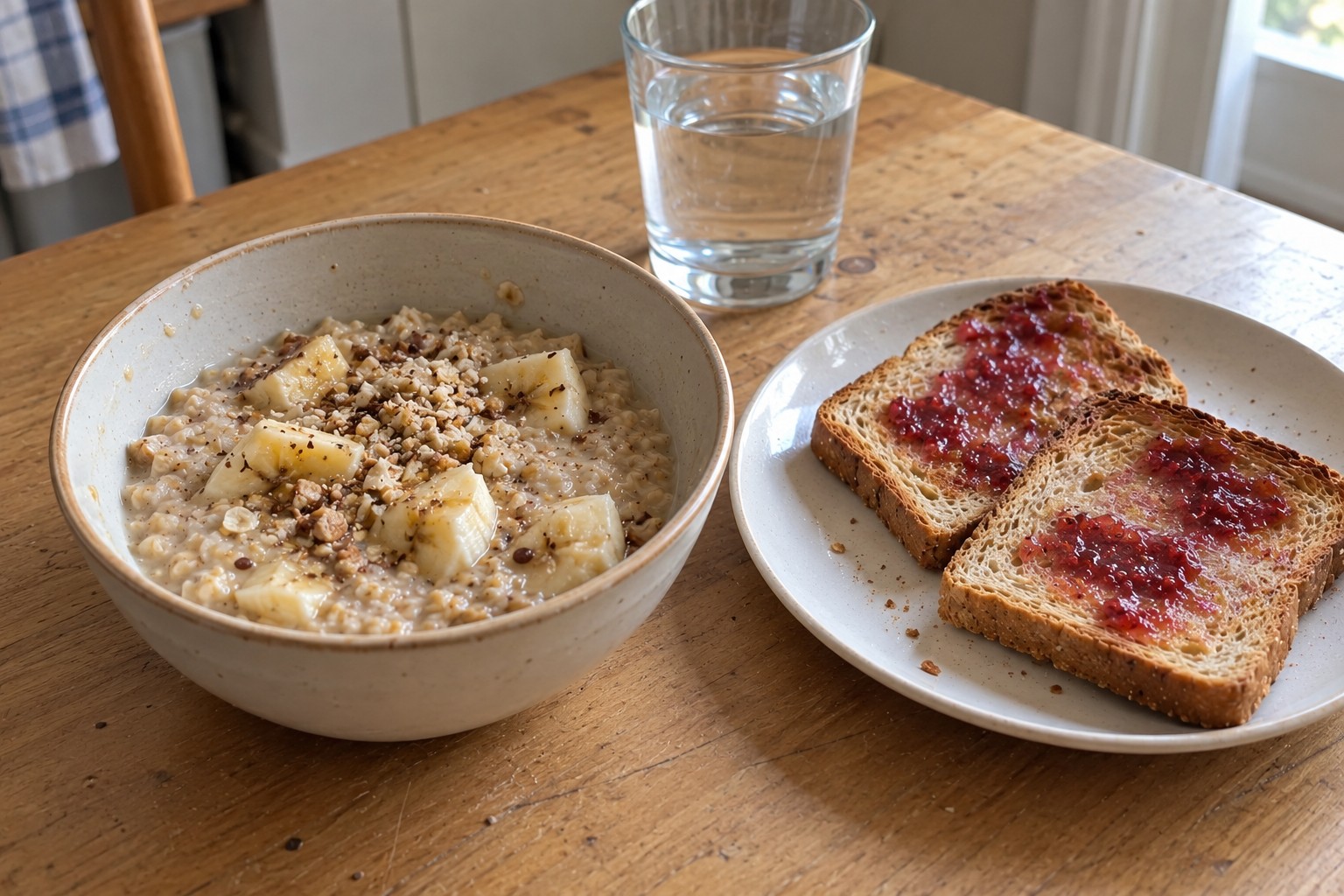
Breakfast choices: porridge or toast, with portions to suit your morning.
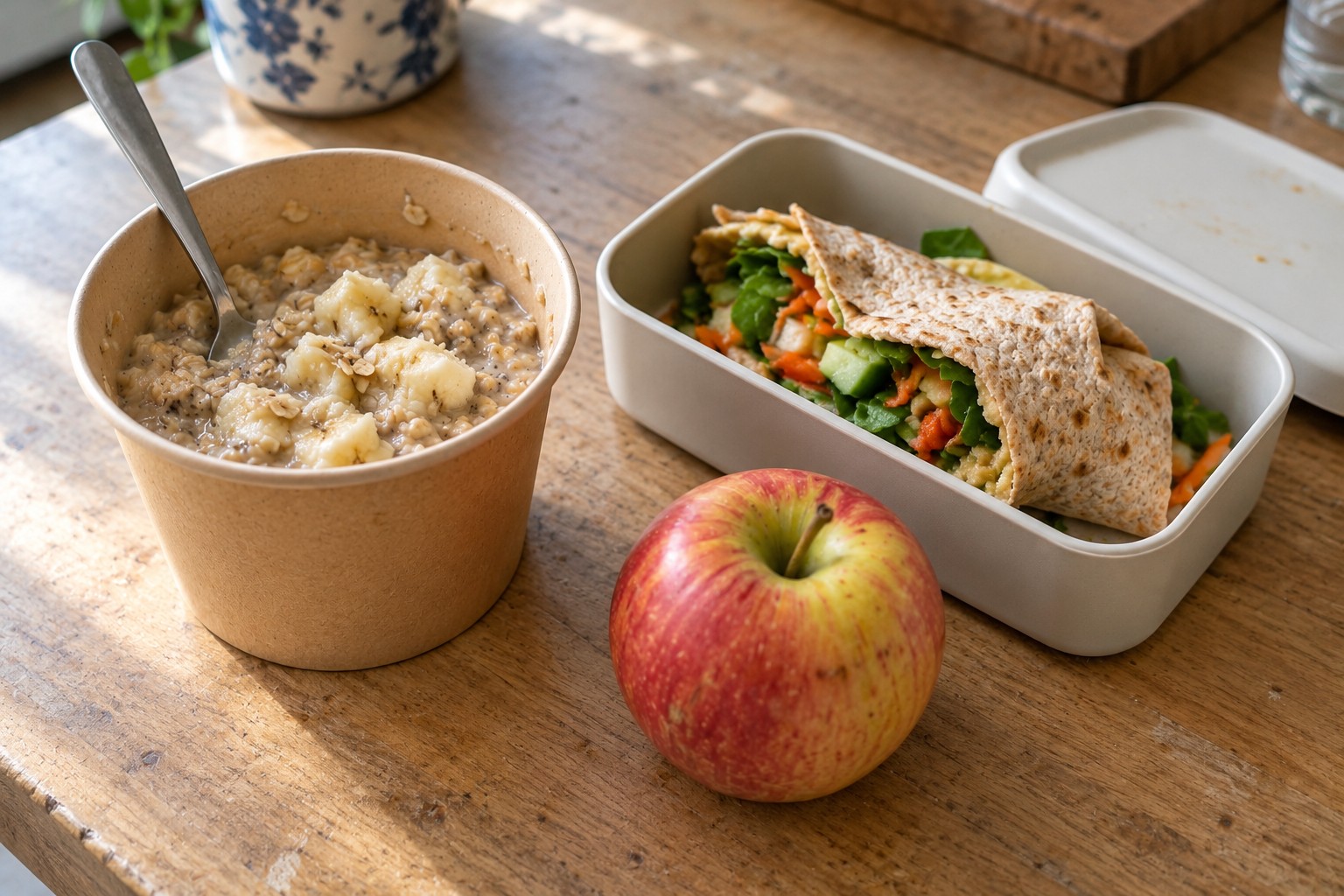
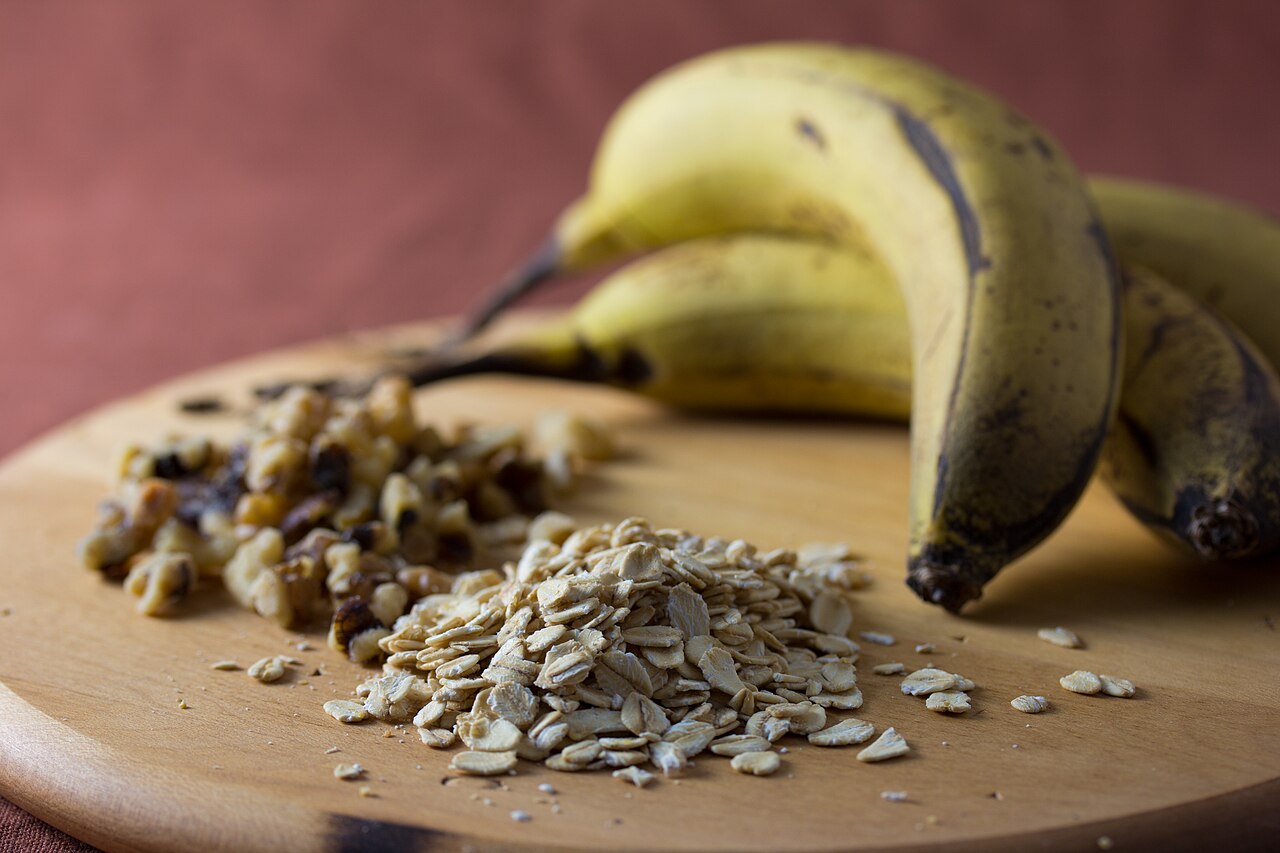
Banana porridge
40 g oats + about 200 ml milk + 1 banana
Cook the oats following the packet, then add the banana.
Allow about ten minutes, plus time to eat and let the meal settle.
Carbohydrate + protein
Why it works Oats and banana give you fuel; milk adds protein. Cook the portion you want, not a bowl you feel obliged to finish. Leave time before riding if a large breakfast feels heavy.
Toast and jam
2 slices of bread + about 20 g jam
Toast, spread, eat. Add a banana if you want more.
Ready in about three minutes. Slice size changes the amount of food.
Quick carbohydrate
Why it works Bread and jam give quick fuel with little fuss. This is useful when departure is close. Bread slices vary a lot, so the size of the loaf matters more than how neat the toast looks.
Peanut butter and banana bagel
1 bagel + 1 tablespoon peanut butter + 1 banana
Split the bagel and add the peanut butter and sliced banana.
Ready in about three minutes. Allow time to eat before leaving.
More substantial breakfast
Why it works The bagel and banana provide fuel. Peanut butter adds fat and some protein, making this a more filling choice. Have it earlier rather than just before a hard ride if rich food sits heavily.
Yoghurt, cereal and fruit
200 g yoghurt + 40–60 g cereal + 1 banana or 100 g berries
Put it in a bowl. Use high-protein yoghurt if that is part of your plan.
Ready in about two minutes. Keep the yoghurt in the fridge until needed.
No-cook combination
Why it works Cereal and fruit supply fuel. Yoghurt can add protein, but the amount varies by type. Read its label if that is why you chose it. Keep the yoghurt cold until you eat.
Grab it for the ride
Quick options to pack for a longer outing. Stop to eat when handling food would affect bike control.
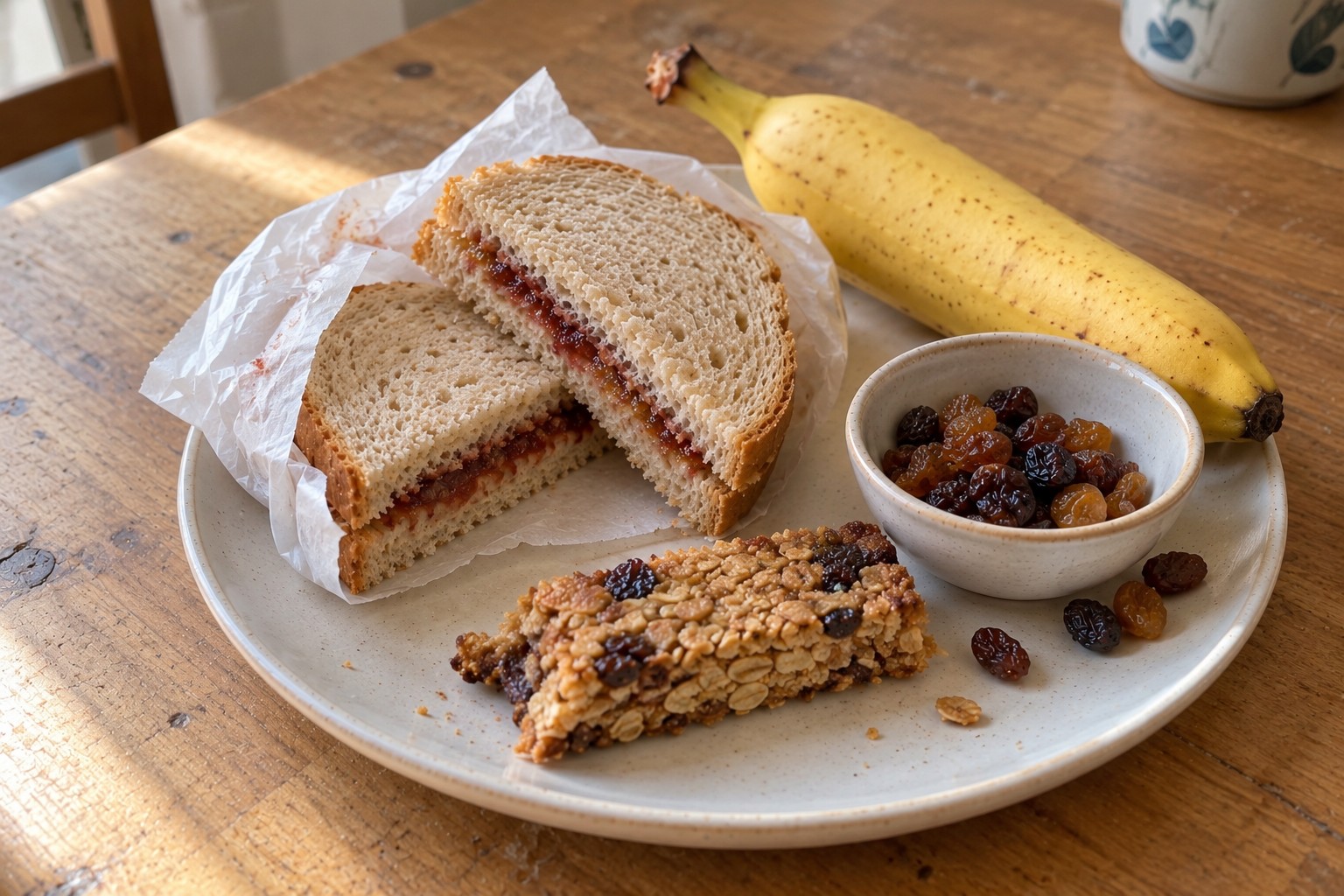
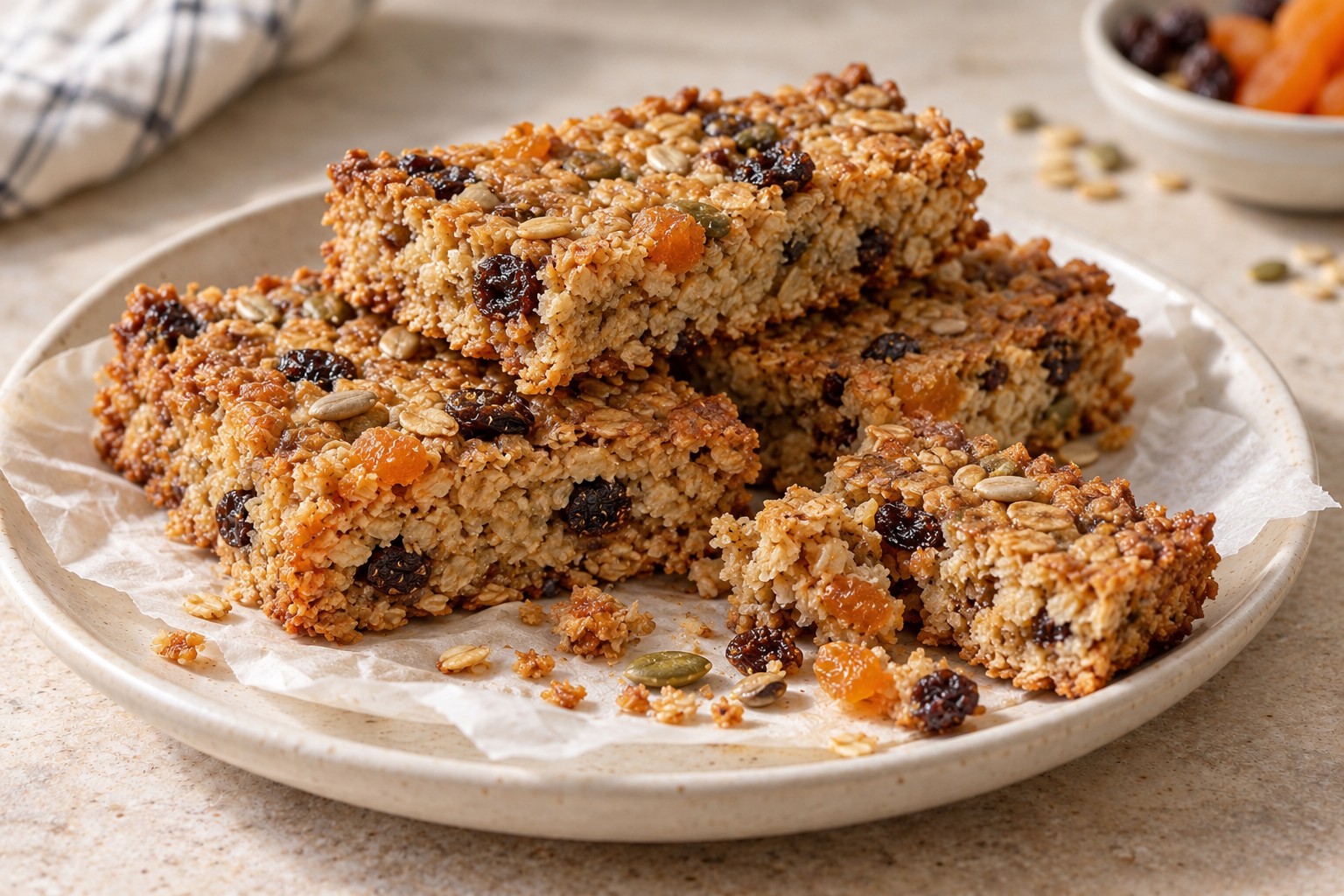
Mix and match snacks for the ride; the photo is not a single-serving prescription.
Jam sandwich
2 slices of bread + about 20 g jam
Make the sandwich, cut if useful and wrap it.
About 2 minutes. For comparison, our measured small-slice version supplies about 38 g carbs; larger bread differs.
Easy to portion
Why it works Bread and jam make a cheap, easy ride snack. Wrap it so it survives the bag. Eat at a stop if reaching for food would affect your control. No tiny triangles are required.
Banana and a cereal bar
1 banana + 1 individually wrapped bar
Pack both somewhere they will not get squashed.
No prep. A medium-large banana gives about 25g carbs. Add what the bar’s label says to find the total.
No cooking required
Why it works The bar gives you something in reserve if the ride runs late. Keep it where it will not squash the banana. Use the bar label to plan a longer ride; the two items are not a fixed hourly target.
Dried fruit in a small container
About 30 g raisins, dates or dried apricots
Portion it at home rather than carrying the whole packet.
Ready in about a minute. Pack a spoon if sticky fruit makes that easier.
Compact carbohydrate
Why it works Dried fruit puts fuel in a small pack. A small pot is easier to handle than a loose open bag. Large amounts can upset some stomachs, so try your portion on an easy outing first.
Plain bagel or fruit teacake
1 bagel or teacake
Split it into manageable pieces and put it in a food bag.
Ready in about a minute. Use the packet to check the serving size.
Simple to carry
Why it works A bagel or teacake gives you fuel without a filling that needs a fridge. Break it at a stop if that is easier to eat. Take a drink too; plain bread can feel dry after a climb.
Back home and hungry
Quick meals with carbs and a protein source. Portion suggestions are starting points, not fixed recovery plans.
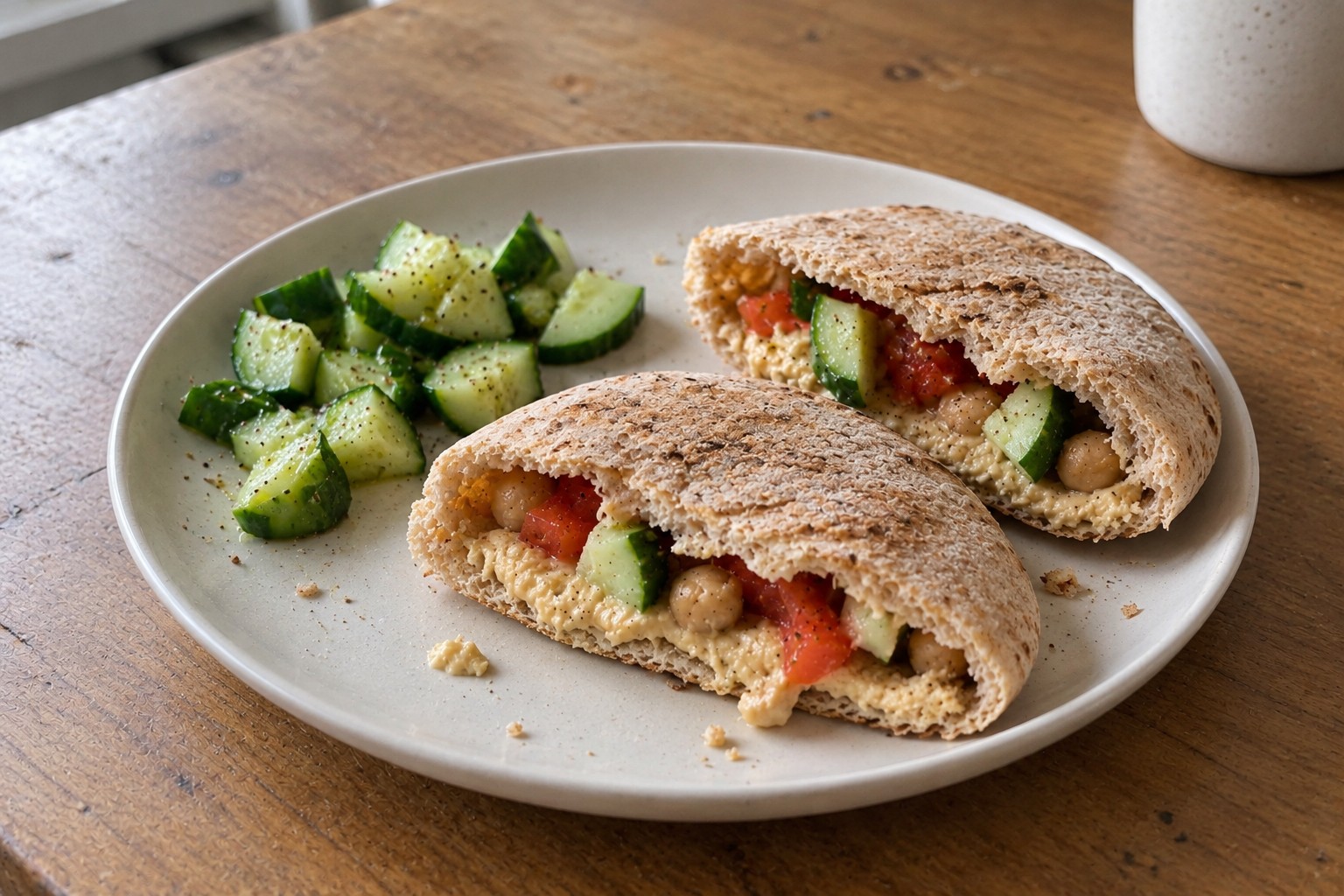
A quick savoury option: hummus, chickpeas and tomato in pitta.
Beans on toast
About 300 g baked beans + 2 slices of toast
Heat the beans according to the can and put them on the toast.
Ready in about five to ten minutes. A useful meal from the cupboard.
Carbohydrate + plant protein
Why it works Beans and toast give you fuel and some protein in a hot meal. Keep a tin at home for a late return. There is no need to cook a separate sporting dinner after every ride.
Eggs on toast
2 eggs + 2 slices of bread
Scramble or cook the eggs as you prefer while the bread toasts.
Ready in about five to ten minutes. Wash hands and tools after raw egg.
Carbohydrate + protein
Why it works Eggs add protein and toast adds fuel. Cook the eggs as you like them, with safe handling of raw egg. Add fruit or veg alongside if you want more variety; two eggs are not a full daily food plan.
Tuna and sweetcorn wrap
1 large wrap + 1 small can of tuna, drained + 2 tablespoons sweetcorn + yoghurt or mayonnaise to taste
Mix the filling and fold it into the wrap.
About five minutes. Eat now or keep cold. To compare protein, use the weight of tuna after draining it.
Compact meal
Why it works The wrap supplies fuel and tuna supplies protein. Mix enough filling for the meal you want. Eat it promptly or keep it chilled. A long spell in a warm bike bag is not cold storage.
Hummus and chickpea pitta
1–2 pittas + about 60 g hummus + 100 g canned chickpeas, drained + sliced tomato
Fill the pittas and eat.
Ready in about five minutes. Check the hummus label for sesame.
Plant-based combination
Why it works Pitta, chickpeas and hummus make a filling plant-based meal. It may suit after a ride better than just before a hard effort. Hummus often contains sesame, so check the tub if that matters to you.
Couscous and chickpea bowl
60–75 g dry instant couscous + 150 g canned chickpeas, drained + a handful of chopped tomato or cucumber + lemon and olive oil
Prepare the couscous with the water amount on its packet. Stir in the rest.
Allow about ten minutes. Follow the packet: some types need cooking.
Kettle-friendly meal
Why it works Couscous is a quick base when you have a kettle but no hob. Use the packet water amount, then add the drained chickpeas. Make only what you can eat or chill safely; hot water does not give leftovers a long shelf life.
Jacket potato with beans
1 potato + about 200 g baked beans
Cook the potato using your microwave’s instructions and heat the beans separately.
Allow about ten to fifteen minutes. Check your microwave’s guide for the potato size.
Hot meal, little preparation
Why it works The potato and beans make a warm, filling meal. A microwave can save time, though a large potato takes longer. Check that the centre is soft and hot rather than trusting the same timer for every potato.
At work or without a kitchen
Keep the ingredients practical for the facilities you actually have.
Food to fit around work: use the facilities and chilled storage available.
Oat pot and fruit
1 porridge pot + 1 banana
Add hot water as the pot directs, then eat the banana alongside.
Allow about three to five minutes. Check the pot’s ingredients for milk powder.
Useful with a kettle
Why it works This works with a kettle and spoon. Read the pot instructions; some oat pots contain milk powder. A banana adds more food without another pan. Keep a spare pot at work if late finishes often catch you out.
Supermarket lunch combination
1 filled sandwich or wrap + fruit + a yoghurt or suitable alternative
Choose a filling with a protein source and enough food for your appetite.
No cooking. Keep chilled food cold until you eat.
No cooking or washing up
Why it works A filled sandwich or wrap can cover fuel and protein. Fruit and yoghurt add variety. Choose the filling you want and enough food for your appetite. Keep chilled items cold and check their use-by dates.
Emergency snack at your desk
A shelf-stable cereal bar, crackers or dried fruit you enjoy
Keep an unopened portion at work and replace it after use.
No prep. Keep it sealed until needed.
Backup for delays
Why it works A sealed snack at work buys you some breathing space before a delayed ride home. Replace it once eaten. It is backup for a late day, not a reason to miss lunch or ride hungry.
Sources and scope
These are our own quick food ideas. The measured food examples use the sources in our nutrition guide. Storage advice follows the Food Standards Agency. Timings are estimates; your kit and food may take more or less time.
Comments & discussion
Have your say. No account needed; reader comments appear after review.
Leave a comment