
AI joins the end-of-season review
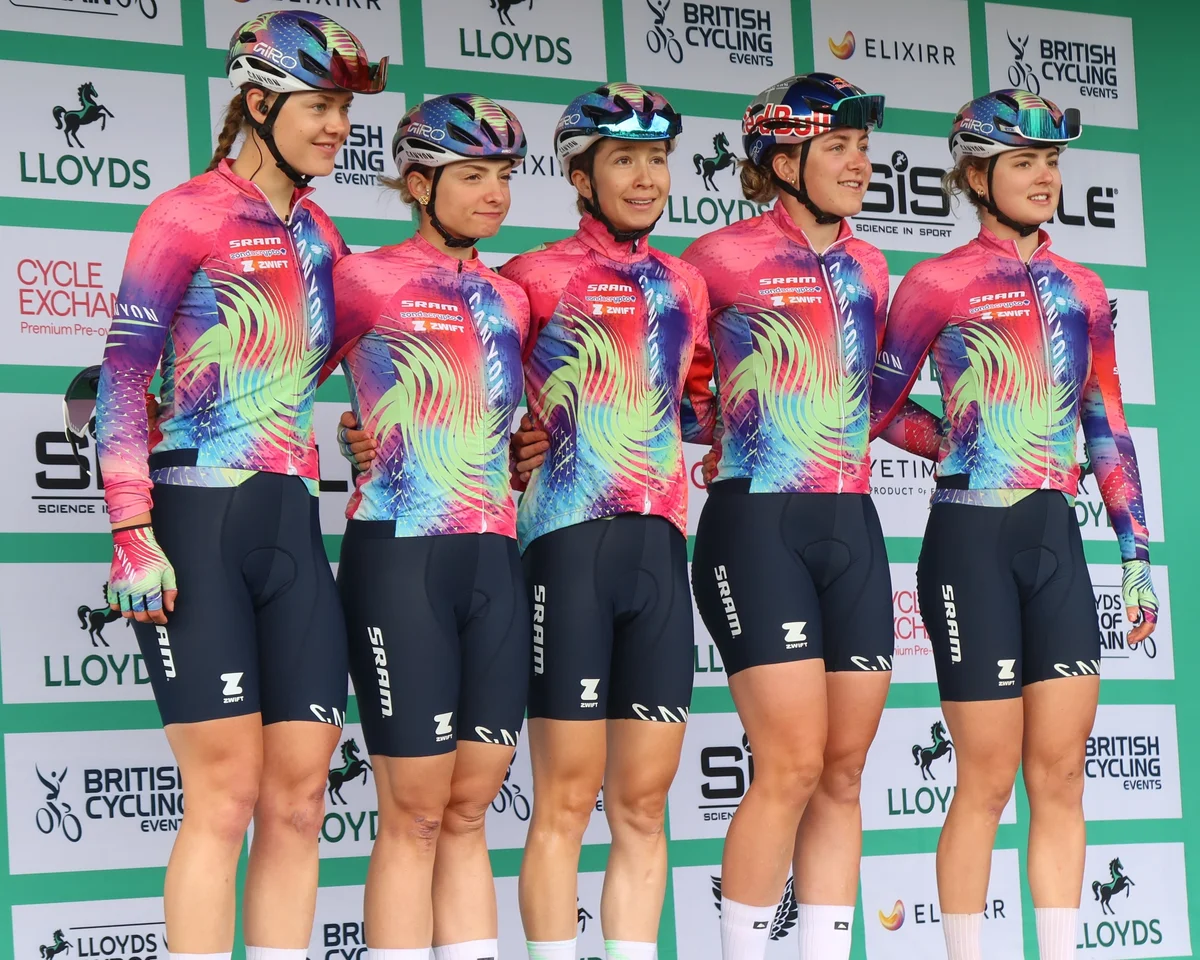
CANYON//SRAM will use AI [artificial intelligence] to help look back at riders’ past seasons. The aim is to help plan for 2027. FasCat set out the deal on 9 November: it will work with the women’s team on AI research for the rest of 2026. Staff want to learn from what worked, and what did not.
This does not mean a computer has taken over as coach. FasCat says its CoachCat system will review a group of riders picked by the team’s staff. The news comes from the firm that makes it. The release quotes team performance director Dan Fleeman, who calls this use of past data “a natural next step”.
For a rider who has years of files saved but rarely looks beyond the last ride, the question is familiar: what can that history actually tell you? The interesting part is the move from a pile of rides to a reason for a plan. Finding a pattern is useful; proving what caused it takes more work. That distinction matters well beyond a pro team.
What the system is meant to look for
In its press release, FasCat describes a search through years of ride files. It aims to find links between past training and changes in form, as well as times when gains stopped. Staff could use those leads to shape the next plan. The goal is to see how weeks fit together, not just judge the last hard ride.
Picture a simple ride diary. You had a strong month in spring, after several weeks of steady rides. A review might suggest that steady work helped. But perhaps you also slept better, had less work stress or rode in milder weather. The diary has found a lead to explore. It has not shown that copying the same rides will always give the same result.
That is our example, not a finding from the team’s private files. It shows why staff still need to ask what else changed. A tool should help bring those questions to light. A neat graph is of little use if it turns into a rule that no one feels they can question.
FasCat says it can also draw on sleep and heart-rate variability [changes in the time between heartbeats] data. This is often called HRV. You do not need to decode it to grasp the goal: staff want more context than the work done on the bike. The release does not show the riders’ files or how much weight each type of data gets.
A partnership is not a published test
The news gives us a stated task and a team willing to explore it. It does not give an open test that readers can repeat. We cannot inspect the private files, the full method or the errors from this announcement. That leaves a gap between saying a review may help staff and showing how much better it makes a plan.
There are fair ways to judge that gap. A future report could show what staff found on their own, then what the tool added. Did those extra points hold up when put to use? Where did the tool get it wrong? These are fair questions to ask. They do not mean the team must share each rider’s private life.
For now, we would treat this as a development worth watching, rather than a reason to buy a training app. The release is about a pro team’s use of a service. It does not establish that the same approach is best for someone fitting three rides around a job, or that a paid plan is needed to enjoy those rides.
Before you link your own ride history
There is one more thing a glossy chart will not tell you: where does your data go? FasCat’s privacy policy says some AI tools share chats, plus relevant training and account data, with OpenAI and Anthropic. These firms help run the service. The policy says they do not use that content to train their models. We have not audited those systems.
FasCat says you can choose not to use those AI tools and still use the rest of its service. Look for that choice in any app. Can you keep a ride log without turning on each new feature? Read what you are linking before you share years of files. A pro team’s choice does not make that choice for you.
Start with the job you need help with. If it is simply finding time to ride, a clear weekly plan may do more than a deep review of five years of data. If you want help understanding past progress, ask whether the service explains its reasoning and lets you correct missing context. A missed week could mean illness, a broken bike or a holiday; the file alone may not say which.
Our view is that this work is most useful when it helps a coach and rider ask better questions. The team’s deal brings that idea to life. For the rest of us, the lesson is simple. Keep notes that help explain your rides, ask what backs up the advice and choose a tool for the problem you have. A team badge alone cannot tell you what you need.
Comments & discussion
Have your say. No account needed; reader comments appear after review.
Leave a comment