
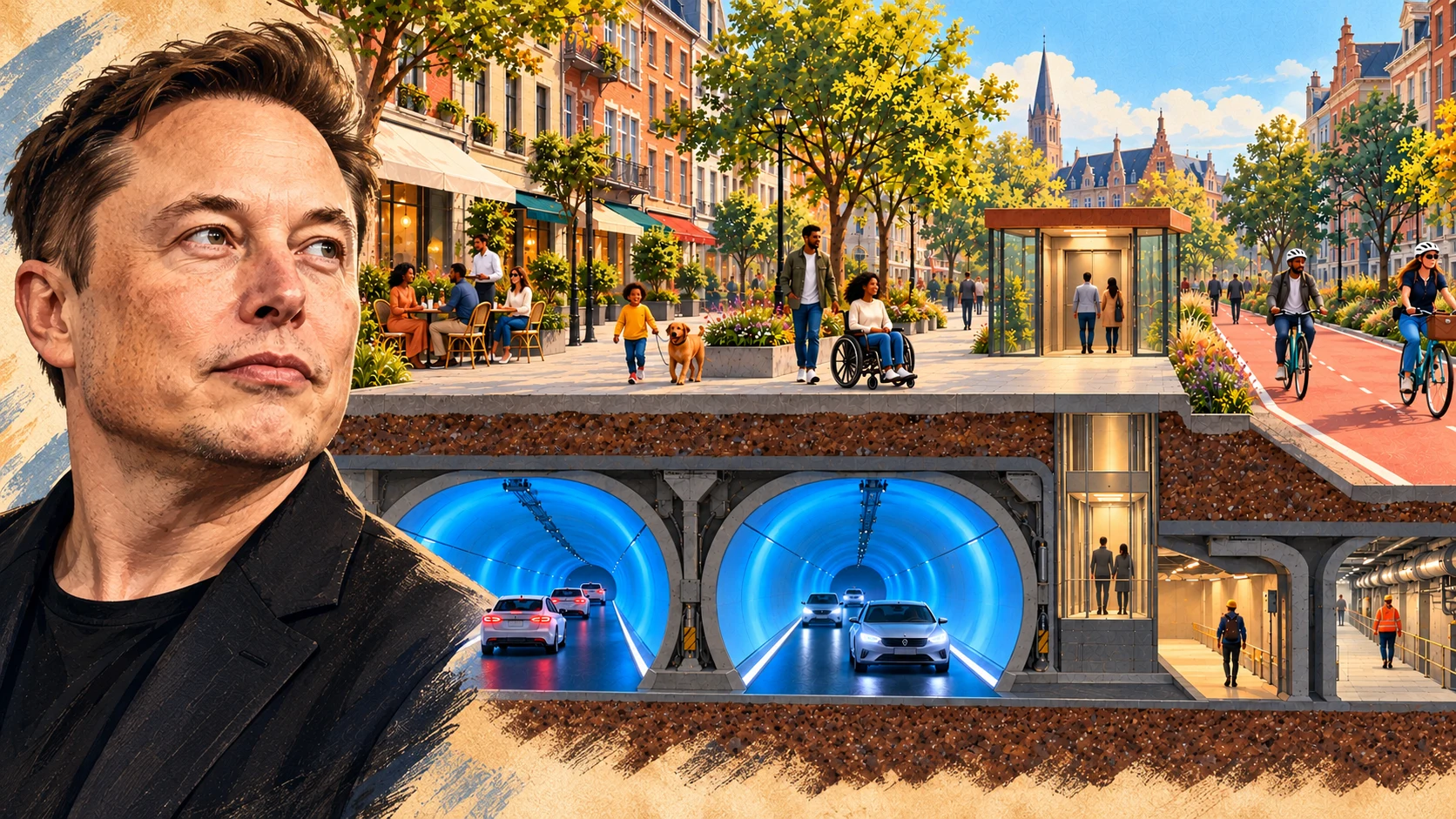
We used to imagine the future arriving in a flying car. Traffic would lift off, glide between skyscrapers and leave the jams somewhere far below. Perhaps we had the direction wrong. What if the cars went underground instead?
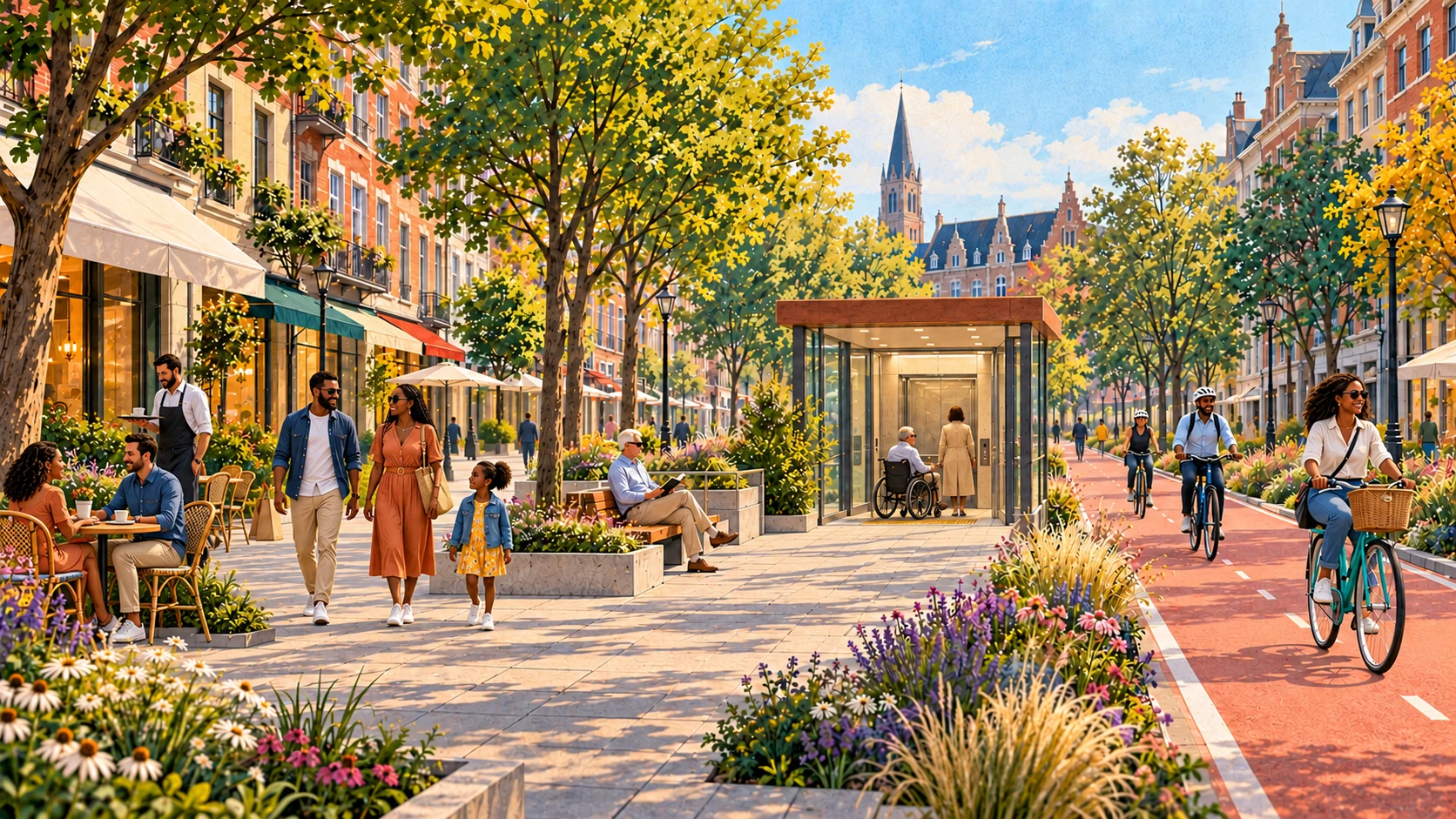
Imagine stepping outside tomorrow morning and finding that the traffic has disappeared beneath your feet. The houses are still there. So are the shops, offices and school. But the road between them has become a broad stretch of trees, walking routes and cycleways.
You can hear a conversation across the street. Children have somewhere to play. Your ride to work no longer includes negotiating a delivery van parked across the cycle lane. Somewhere underneath, the cars are still moving.
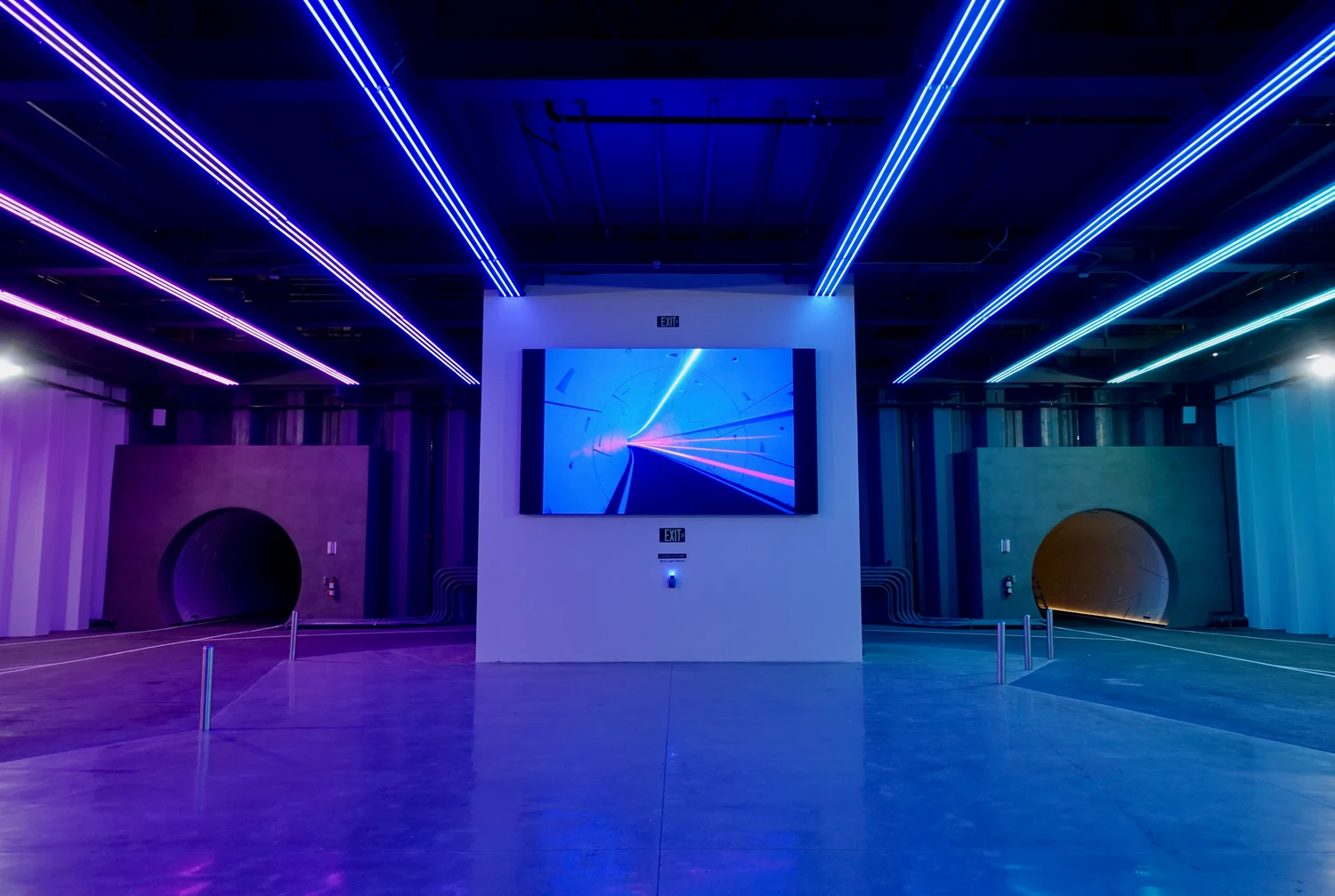
Elon Musk’s Boring Company supplies the starting point for this thought experiment. Its Loop system carries passengers through tunnels in Tesla vehicles. Putting every road underground is our imagined scenario, not its current proposal. Its projects add transport connections; they do not promise to remove the streets above them.
For our version, the bargain would be different: the cars go down, and the streets become places people want to spend time.
What Musk is actually building
The Boring Company describes Loop as an underground passenger transport system providing direct journeys between stations, also calling it “Teslas in Tunnels!” Its Nashville network, where the company says tunnelling is underway, is planned to use a dedicated Tesla fleet, initially with drivers. People would board those vehicles rather than drive their own cars into the tunnels. The company’s Nashville project page sets out that approach.
The appeal is straightforward. A passenger could travel between useful destinations without encountering surface junctions or stopping at every station along the way. Whether that becomes a valuable transport service depends on how many people it carries, where the stations are, what journeys cost and how reliably it operates.
Our thought experiment takes the idea much further. What would happen if underground transport became extensive enough to let a city reclaim its roads? Some of the answer is already visible in Madrid.

We have already seen what the surface could become
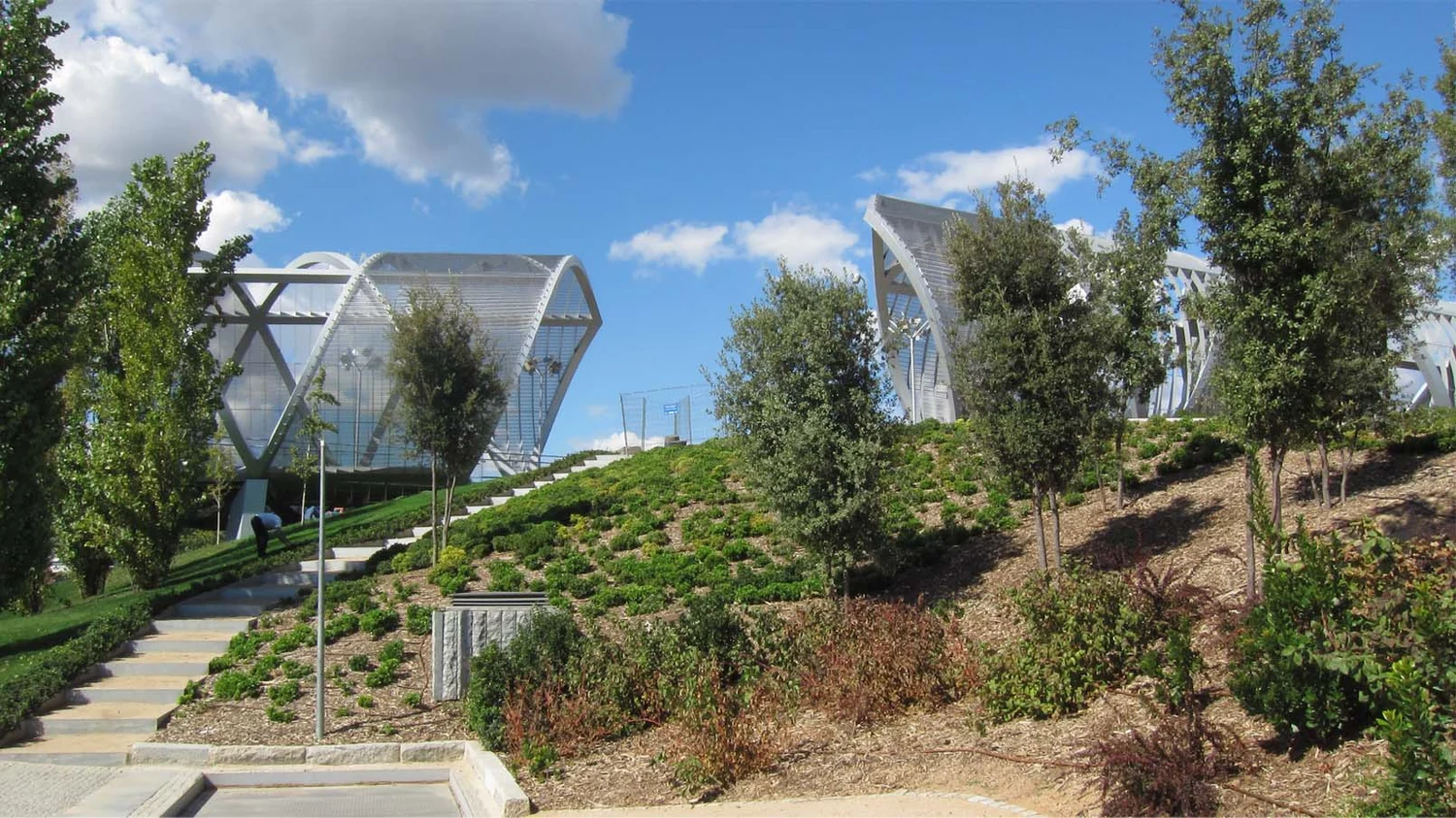
Sections of Madrid’s M-30 road beside the River Manzanares were buried, allowing the city to create Madrid Río. The park, completed in 2011, brought gardens, recreation areas and connections between places previously divided by traffic. The city describes more than ten kilometres of pedestrian and cycling routes associated with the transformation. Madrid’s account of the project shows how substantial the change can be.
Apply that principle more widely and the possibilities become rather appealing. Former traffic lanes could accommodate cycleways wide enough for comfortable overtaking. Parking bays could become trees, benches or space outside businesses. Streets around schools could give children room to arrive under their own steam.
Good design would still be essential. Squeezing everyone onto a narrow shared path would be a peculiar use of all that newly available land. Walking, cycling, wheelchair access and places to sit could each have proper space.
Madrid also illustrates the decision our imagined future requires: the road was buried and the surface was deliberately redesigned. The park did not appear simply because somebody finished a tunnel.

The front-door problem
The awkward question arrives with the shopping. If your car is underground, where do you leave it? And how do you get three bags, a sleeping child or a wheelchair from the vehicle to your home?
One plausible arrangement would connect underground roads to neighbourhood parking and arrival hubs, with lifts to the surface. Larger buildings could have direct access. Deliveries could reach underground loading areas, with smaller loads completing their journeys above ground.
Helsinki offers useful precedents. Its city-centre transport planning includes underground parking and a service tunnel, with further connections being studied to improve access and servicing. The city’s plans show how these functions can be considered together.
Our hypothetical city would need accessible vehicles, generous boarding areas and dependable lifts. Wheelchair users should be able to make convenient journeys, including when equipment fails. A staircase beside a broken lift would be a serious transport failure.
Some surface access would probably remain necessary for emergency services, maintenance and particular journeys. The ambition should be a street that serves people well, including those whose needs cannot be met by a standard underground arrival hub.
Would the traffic jams follow us down?
Quite possibly. Cars need space between them. Boarding passengers takes time. Vehicles entering parking areas can queue. A tunnel delivering traffic efficiently towards an overwhelmed exit has simply moved the bottleneck.
This is one of the central questions facing small-vehicle tunnel systems: how many people can they move when lots of passengers want to travel at once? A direct journey may be convenient for an individual. A network also needs capacity for the morning rush, a stadium emptying or an airport arrival peak. Those are different tests.
The Boring Company argues that numerous stations can distribute demand, and that passengers benefit from travelling directly to their destination. Its Loop explanation describes how station numbers, station size, vehicles and tunnels affect capacity. Those claims should be assessed against actual operation, with projected performance kept separate from demonstrated results.
In our imagined city, busy corridors would still need a fair comparison with trains and buses. Putting a car underground does not increase the number of people sitting inside it.
Extra capacity can also attract more traffic as people change routes, travel times or transport choices. US highway guidance recognises these responses as induced demand. The Federal Highway Administration explains the mechanism. Without careful management, we could build a very expensive basement traffic jam.
Fire safety would shape the whole system
A tunnel needs somewhere safe for people to go when a journey goes wrong. The Channel Tunnel provides an instructive example. Alongside its two railway tunnels runs a separate service tunnel, connected by cross-passages every 375 metres. It provides maintenance and emergency access and an evacuation route. Air pressure helps protect it from smoke entering from a railway tunnel. Eurotunnel describes the arrangement here.
A city-wide road network could draw on that principle: protected escape routes, separated spaces and emergency access designed into the infrastructure.
The Boring Company says its Loop tunnels include fire detection and suppression, emergency exits, ventilation and communications. The practical assessment needs to establish how those measures work together, including for passengers who cannot evacuate independently.
Electric vehicles remove petrol and diesel exhaust from everyday operation. Smoke control during a fire remains a separate engineering requirement. ASHRAE’s tunnel guidance explains the distinction between normal ventilation and emergency operation.
The finished network would be much more elaborate than a tube with lane markings. Fans, doors, monitoring, communications and trained responders would all be part of the transport system.
Water and rock would have a say
The ground beneath a city is rarely an obligingly empty space. In Nashville, opponents have raised concerns about limestone cavities, sinkholes, groundwater and flooding. The council recorded geological and environmental objections in its resolution opposing the project. The company says it is investigating ground conditions and has experience managing variable geology.
Those competing positions require detailed evidence. A warning about a risk does not establish that a tunnel will fail; reassurance from the developer does not settle the engineering questions either.
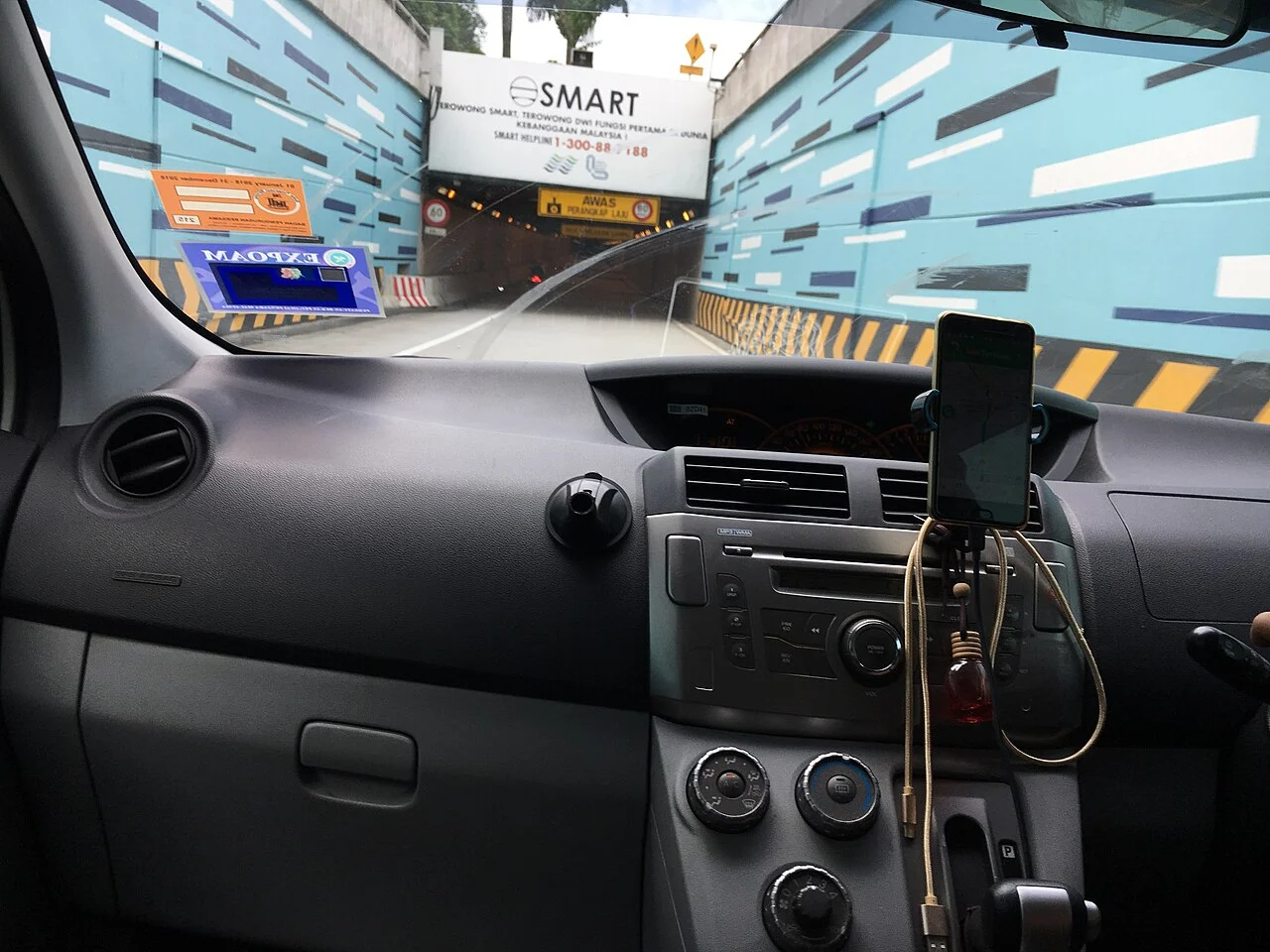
Kuala Lumpur demonstrates one way underground infrastructure can be designed around water. Its SMART Tunnel combines flood management with a motorway section. During severe conditions, vehicles are cleared so that the road compartments can be used to carry floodwater. The operator explains its operating modes here.
That arrangement would not suit every city. It shows that local conditions can produce inventive solutions—and that sometimes the solution involves closing the road. Our underground world would need alternative routes and excellent transport above ground when sections became unavailable.

Finding room beneath the city
Pipes, sewers, cables, foundations and railway tunnels would all compete with the new roads. Crossrail’s engineers navigated that crowded environment while constructing the Elizabeth line. At Tottenham Court Road, just 700 millimetres separated the new tunnels from Northern line tunnels. Detailed information and modelling helped establish a workable alignment. Arup’s engineering account gives a sense of the precision involved.
Helsinki has taken the broader step of creating an underground master plan to coordinate uses and reserve space. Its favourable bedrock helps; other cities face different conditions. The city’s explanation makes the planning task clear. Musk might supply the boring machine. He would still need a very good map.
Who pays—and who gets the benefit?
An underground network would influence a city for generations. Decisions about routes, fares, access and public land would deserve scrutiny regardless of who built it.
Nashville’s council has objected to aspects of consultation and oversight. The Boring Company says its project would be privately funded and operated and points to its community engagement. These are questions about accountability as well as construction.
For our imagined network, the agreement would need to cover affordability, accessibility, maintenance and what happens if an operator withdraws. Convenient transport should extend beyond profitable tourist destinations.
The construction bill would be substantial. A National Park Service history puts Boston’s Big Dig at nearly $15 billion against an original projection of $2.6 billion. Those historical figures concern a particular, complex project; they cannot be used as a universal tunnelling price. They demonstrate the scope for plans and costs to change. The Big Dig’s history provides a useful reality check.
Excavation, materials, energy and decades of maintenance would carry environmental costs too. Burying lightly used rural roads would be especially difficult to justify. The practical opportunity is likely to be selective: particular tunnels where the transport benefits and recovered surface space make a convincing case.
There is also something our thought experiment could easily overlook: people can enjoy driving. A journey through open countryside, a weekend outing in a much-loved car or simply a view beyond the windscreen can be part of the pleasure. Spending the entire trip in a tunnel would lose some of that appeal. We can want better cycling without expecting everyone to give up an interest they enjoy.
A more appealing compromise might put selected through-routes underground while keeping surface roads where they serve a useful purpose. There is room for driving, walking and cycling in the same neighbourhood, with the space arranged around the people using it. Quiet streets can accommodate considerate driving at low speeds; busy routes need protected cycling space and well-designed crossings. Sharing a city safely does not require everyone to squeeze into the same lane.
Comments & discussion
Have your say. No account needed; reader comments appear after review.
Leave a comment