
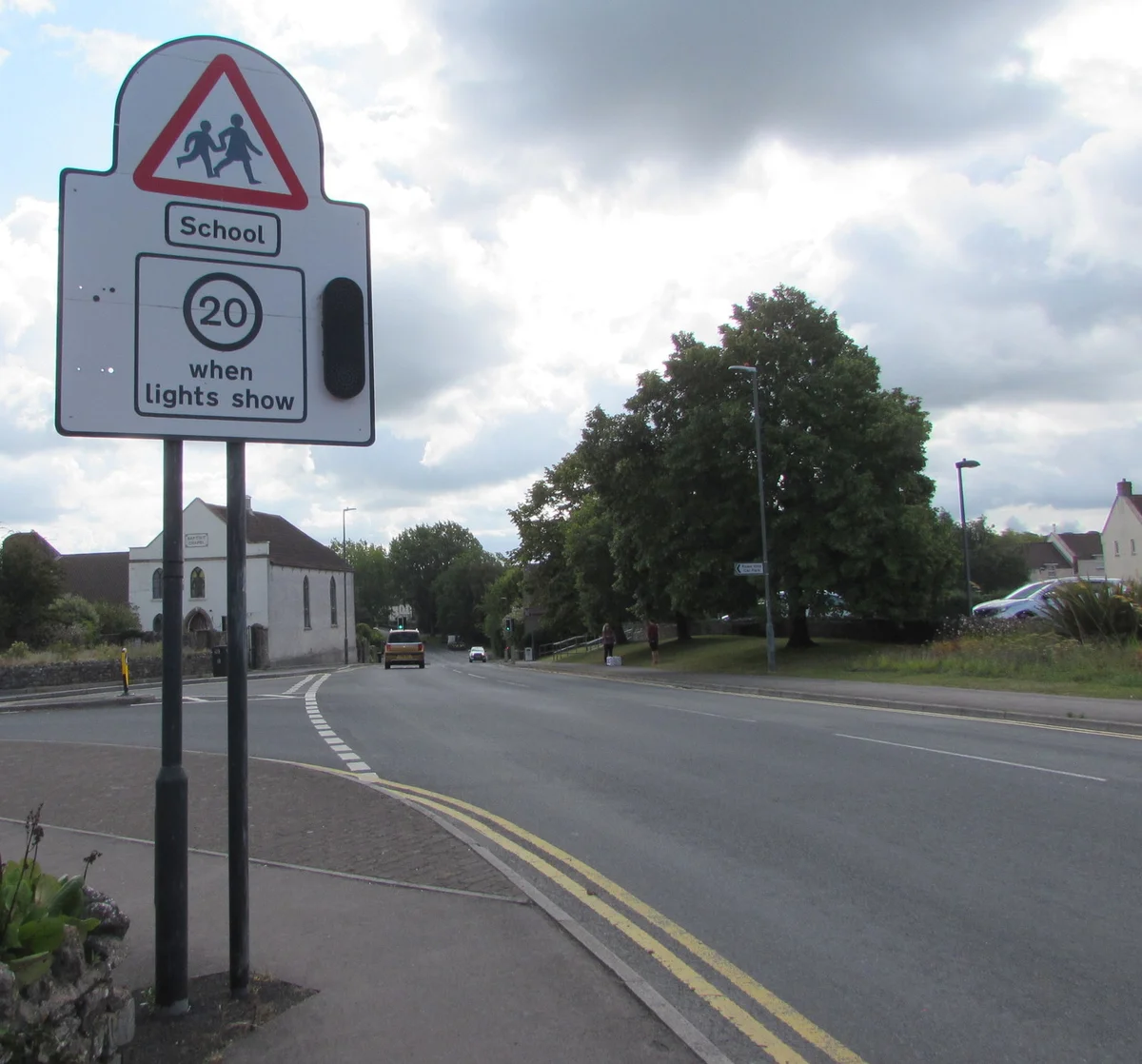
Thornbury asks riders where school routes need work
South Gloucestershire Council is asking for views on changes to Grovesend Road, Gillingstool and The Plain in Thornbury. The council says the consultation runs from 16 November to 10 January 2027. It lists new crossings, wider footpaths, cycle facilities and lower speed limits among the ideas, with changes to bus stops and public space also on the list.
The plans aim to help people get around on foot, by bike or with a mobility aid. The council singles out trips to school. If there is a turn you avoid on the school run, or a place where you wait a long time to cross, that is the sort of detail you can take to the project team.
The drop-in is on Wednesday 25 November, from 3.30pm to 6.45pm, at Turnberrie’s Community Centre. The council links to its consultation website in its public notice. If the plans do not load for you, the drop-in offers a chance to ask to see them and find out how to leave a response.
Bring one trip you know well
Start with a trip you make now, or one you would like to make by bike. Put a mark where you start and another where you need to end. Then mark the point where the trip gets hard. It might be the turn out of your street, the last junction before the school, or the point where you have to cross to get to the shops.
Describe what happens at that point in simple terms. For example, you might say you can reach a crossing from home but then have to double back to reach the school gate. That gives the team a place to look and a reason to look there. You do not need to know the name of the junction or draw a new layout yourself.
Try the same exercise in the other direction. On the way to school you may stay on the side of the road that suits you. On the way home you may have to turn across a lane of cars. Ask how both trips would work under the plans. For a family with two children on bikes, the room to wait for that turn can matter as much as the space to ride.
Ask about the joins
When you look at a map, run your finger along the route from start to end. Watch for the points where a line on the plan changes or stops. Is there room to wait at the next crossing? Where would you meet traffic again? Can you reach the same route from a side street? A new lane can make a stretch of road feel much better, while the next turn still decides whether the whole trip feels right for you.
Bus stops are worth a look too. Picture someone stepping off a bus while you ride past, or someone waiting with a pushchair while a group walks to school. Ask where each person is meant to go and how they will see one another. If the plan is hard to read, ask the team to point out that spot and talk through what a trip would feel like there.
The council’s notice gives the broad aims. Use the current plans to check where the changes would sit and which stretches they cover. The consultation is a chance to comment on the design before decisions are made. If you need to know whether a specific turn, stop or crossing is included, ask the team about that spot by name.
Give the council a place and a reason
A short response can help when it names a place and says what happens there. You might write that you walk to a bus stop on a certain side of the road and need a crossing closer to it. Or you might note that a turn feels fine on a quiet Sunday but is hard at the end of the school day. Add the time and direction if they change what you need.
Include the parts you think would work, too. If a crossing would let you take a route that you already know and like, say so. The team can then see what you want to keep as well as what you want to change. If a friend takes the same trip on foot or with a wheelchair, ask what they notice. Two people can pass through the same place and face quite different limits.
You can start with one question at the drop-in: can you show me how I would get from here to there? Point to the start and end of your trip and follow it through the plan. If there is a gap, note where it is and how it affects you. That is enough to make a clear response before 10 January.
If you cannot make the drop-in, use the consultation link above. Keep a copy of your response so you can compare it with any revised plans the council shares.
Comments & discussion
Have your say. No account needed; reader comments appear after review.
Leave a comment